


 Please expect a free call back
 3.5
3.5
Intensive Yoga Camp in Kerala
 Om Shanti Om,
Rishikesh, Uttarakhand, India
Om Shanti Om,
Rishikesh, Uttarakhand, India
 2 People visited this center

Ayuruniverse Verified


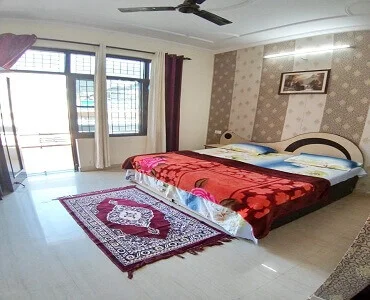
 1 person max
 Wi-Fi
Wi-Fi
 Double Bed
 Western Style Bathroom
 In-Room Dining
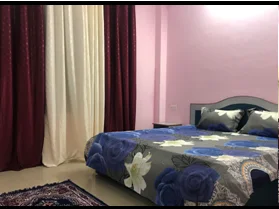
 2 person max
 Single Bed
 Telephone
 Butler Service
 Wi-Fi
Wi-Fi
 Fitness Center
 Utilities Shop
 Jogging / Walking Path
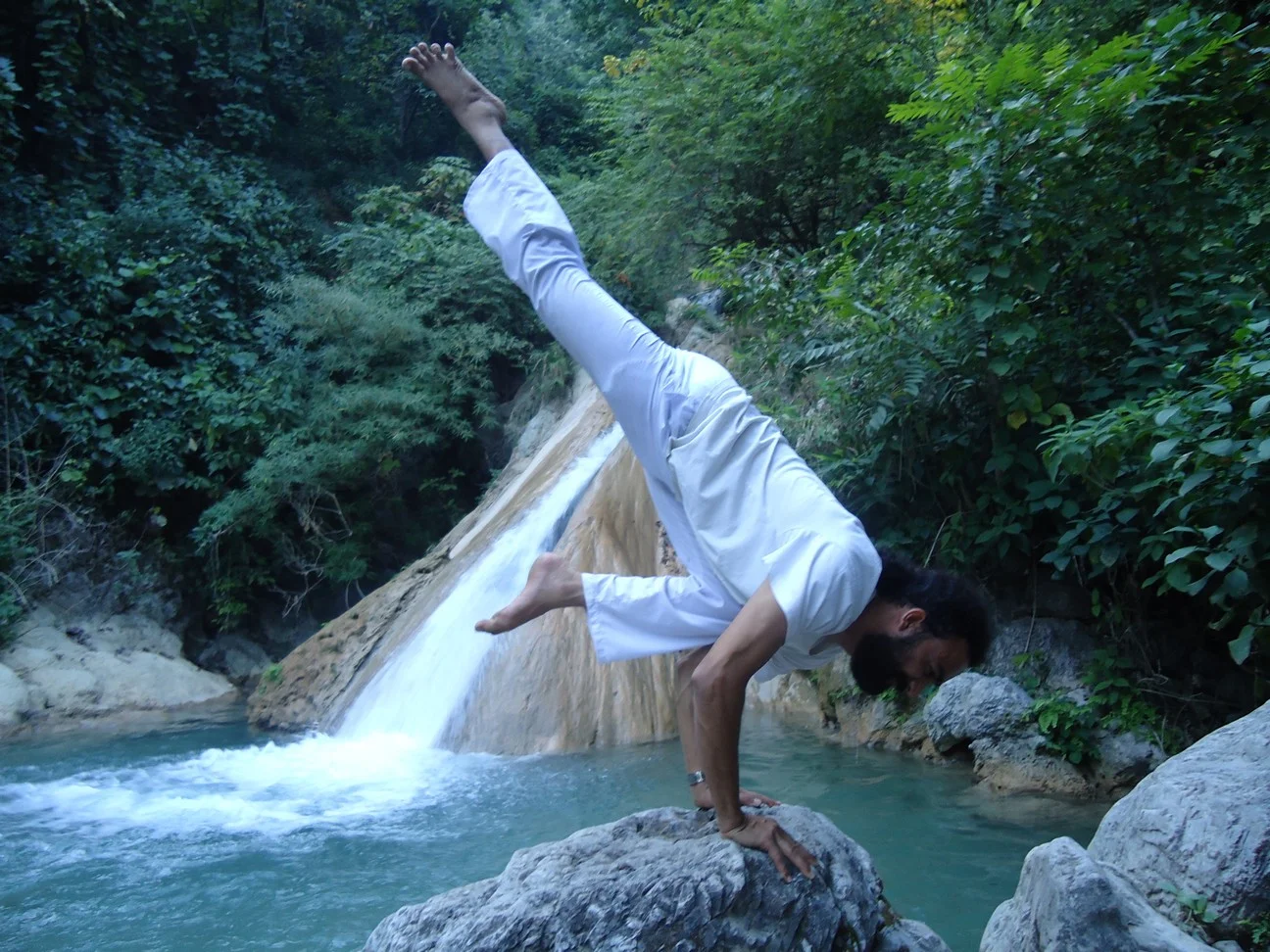
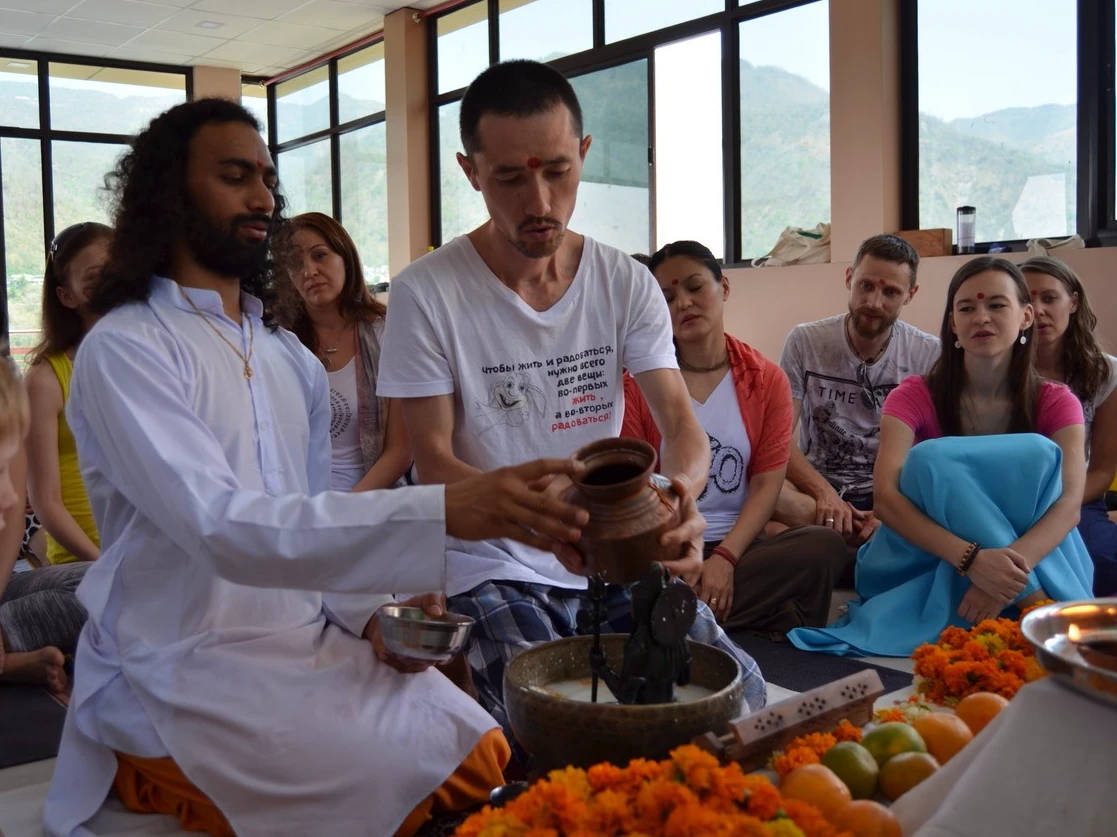
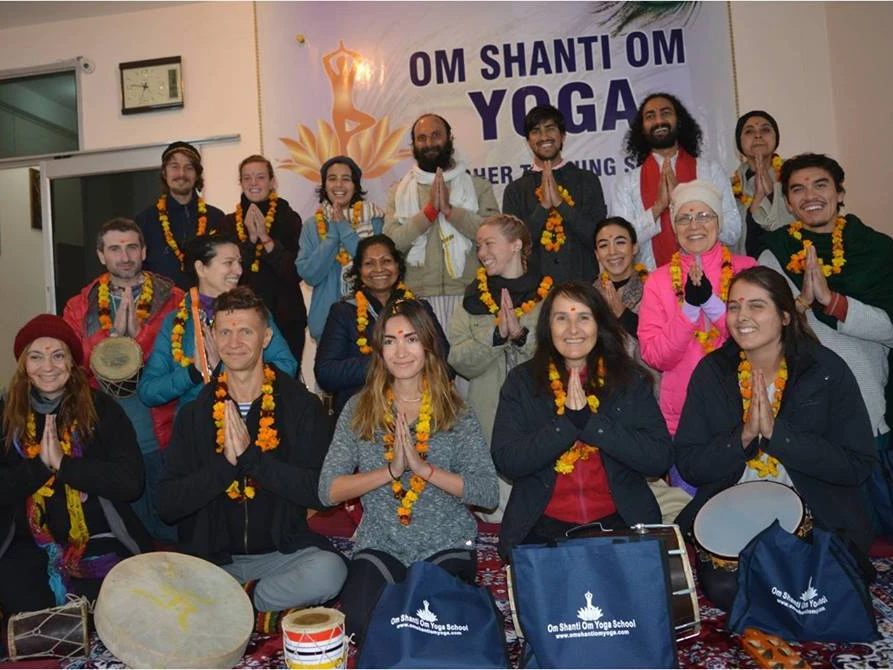
The Om Shanti Om Yoga School was established in Laxman Jhula, Rishikesh by the great himalayan Yogi Swami Yogananda Maharaj Ji together with his close disciple Yogi Dinesh. Swami Yogananda Ji was 106 years old and he had 86 years of yoga experience in India and all over the world.
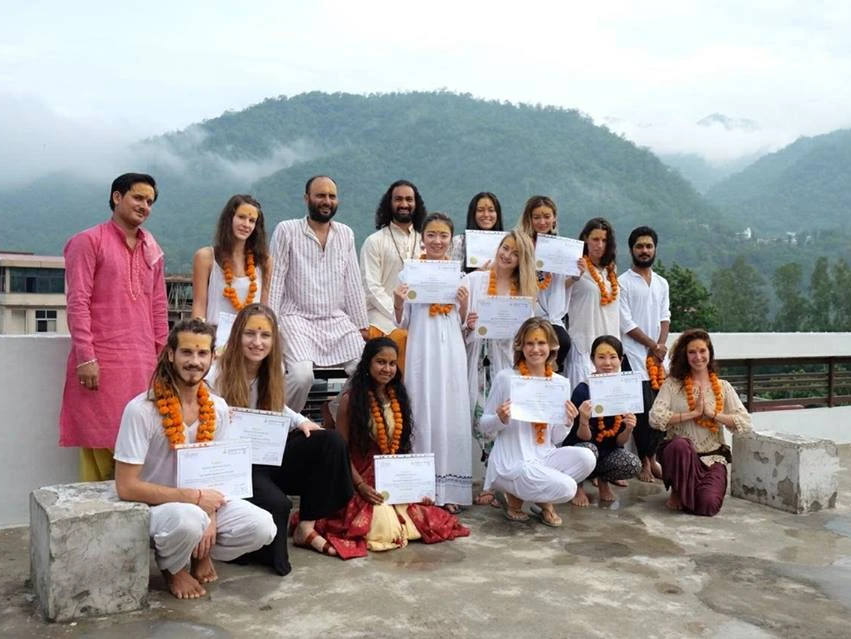
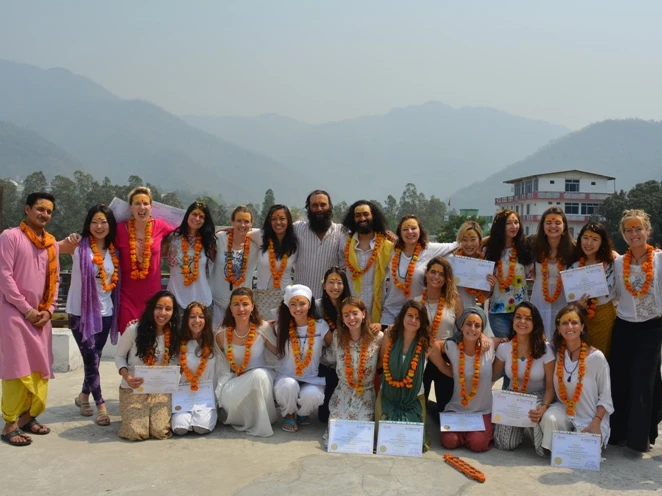
The center provides 100, 200, 300 and 500 hours Teacher Trainig Courses and regular classes. The center is a registered RYS200 and RYS500 and is also known as Hatha Yoga Rishi…
Master your Hatha Yoga with teacher training courses at Om Shanti Om, Rishikesh
How to reach
Airways Connectivity
Jollygrant International Airport, DehradunRailway Connectivity
Rishikesh Railway StationRoadway Connectivity
Connected to all major citiesshare package details


Please chat with us or mail us at cs@ayuruniverse.com to know more about this wellness center
 1 person max






Similar Packages
Ayuruniverse Verified
 2 Interested
Weluwanarama Mawatha, Southern, Sri Lanka
Wi-Fi
 Swimming Pool
Jogging / Walking Path
Swimming Pool
Jogging / Walking Path
 Airport Transfers
Ayuruniverse Verified
2 Interested
Hatha Yoga Teacher Training in Rishikesh
Rishikesh, Uttarakhand, India
Wi-Fi
Utilities Shop
Jogging / Walking Path
Ayuruniverse Verified
2 Interested
100-hour Hatha Yoga Teacher Training
Rishikesh, Uttarakhand, India
Wi-Fi
Utilities Shop
Jogging / Walking Path
Ayuruniverse Verified
2 Interested
500 Hour Yoga Teacher Training
Rishikesh, Uttarakhand, India
Wi-Fi
Jogging / Walking Path
Ayuruniverse Verified
Ayuruniverse Verified
2 Interested
Multi-style Yoga Teacher Training
Rishikesh, Uttarakhand, India
Wi-Fi
Jogging / Walking Path
Airport Transfers
Ayuruniverse Verified

