


 Please expect a free call back
 3.5
3.5
yoga teacher training
 Yoga Vidya Mandiram,
Rishikesh, Uttarakhand, India
Yoga Vidya Mandiram,
Rishikesh, Uttarakhand, India
 2 People visited this center
Ayuruniverse Verified
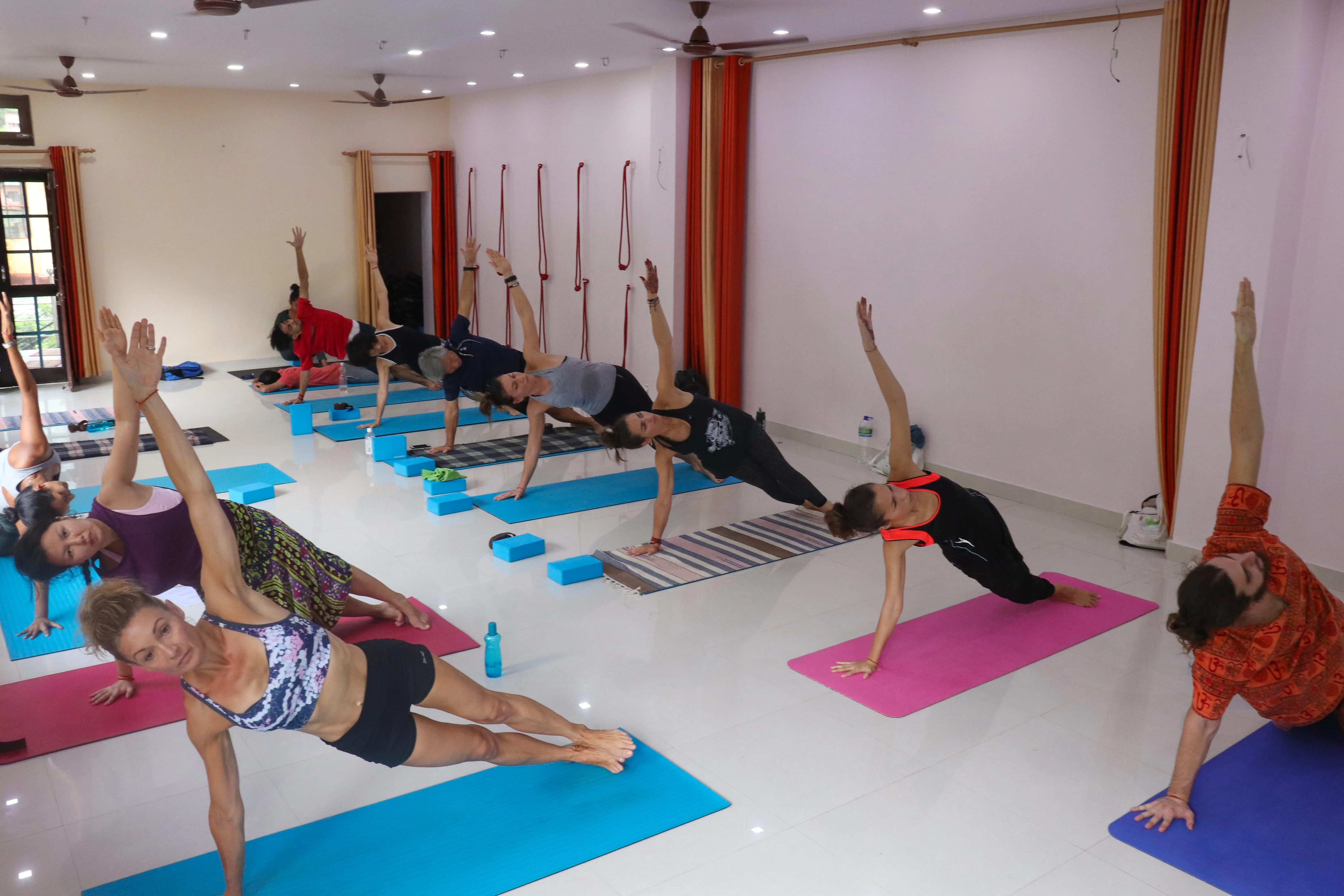

 1 person max
Room Facilities
 Wi-Fi
Wi-Fi
 Double Bed
 Western Style Bathroom
 In-Room Dining

 2 person max
Room Facilities
 Air Conditioning
Wi-Fi
Double Bed
Western Style Bathroom
In-Room Dining
Air Conditioning
Wi-Fi
Double Bed
Western Style Bathroom
In-Room Dining
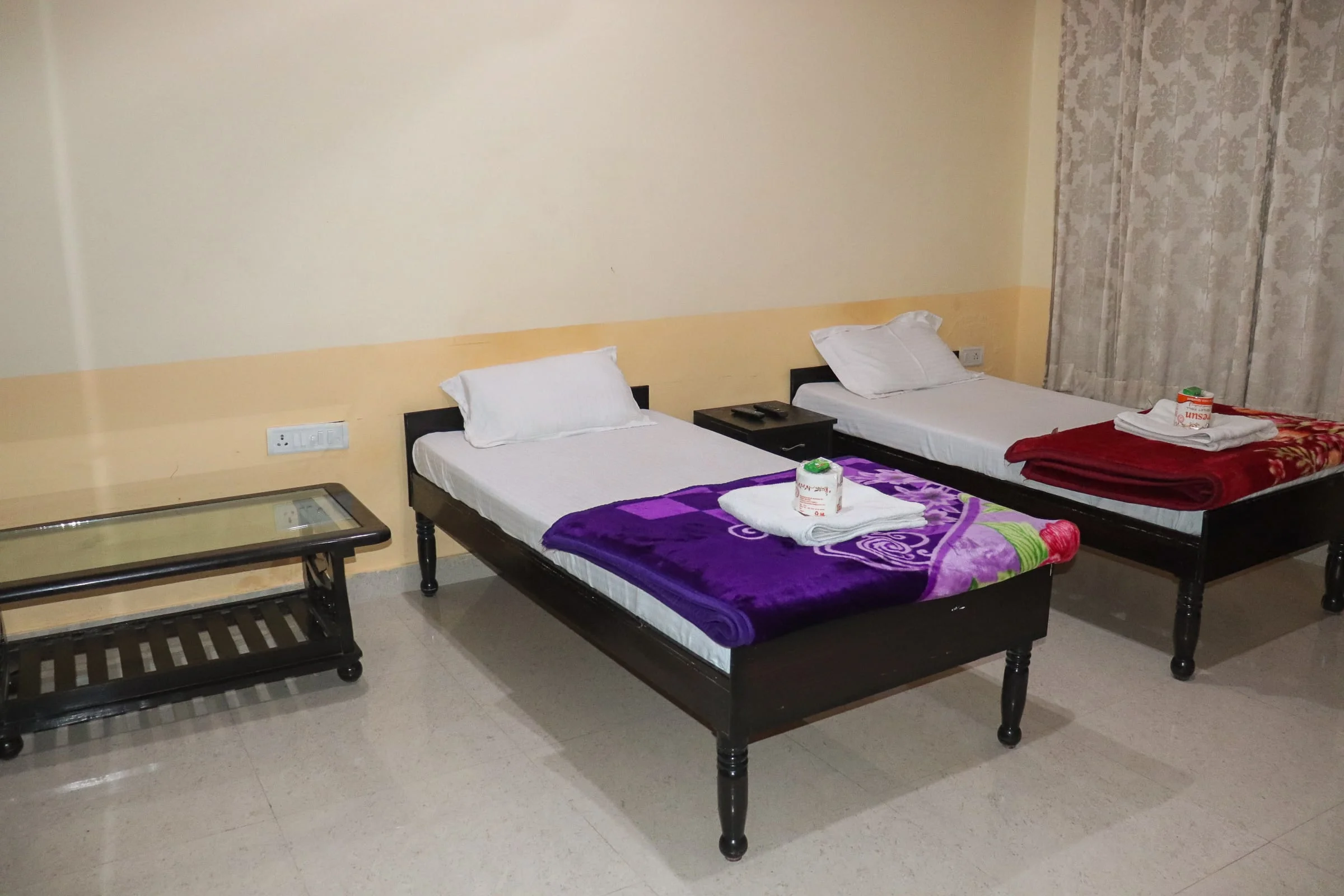
2 person max
Room Facilities
Wi-Fi
Double Bed
Western Style Bathroom
In-Room Dining

1 person max
Room Facilities
Air Conditioning
Wi-Fi
Double Bed
Western Style Bathroom
In-Room Dining
 Wi-Fi
Wi-Fi
 Utilities Shop
 Jogging / Walking Path
 Airport Transfers
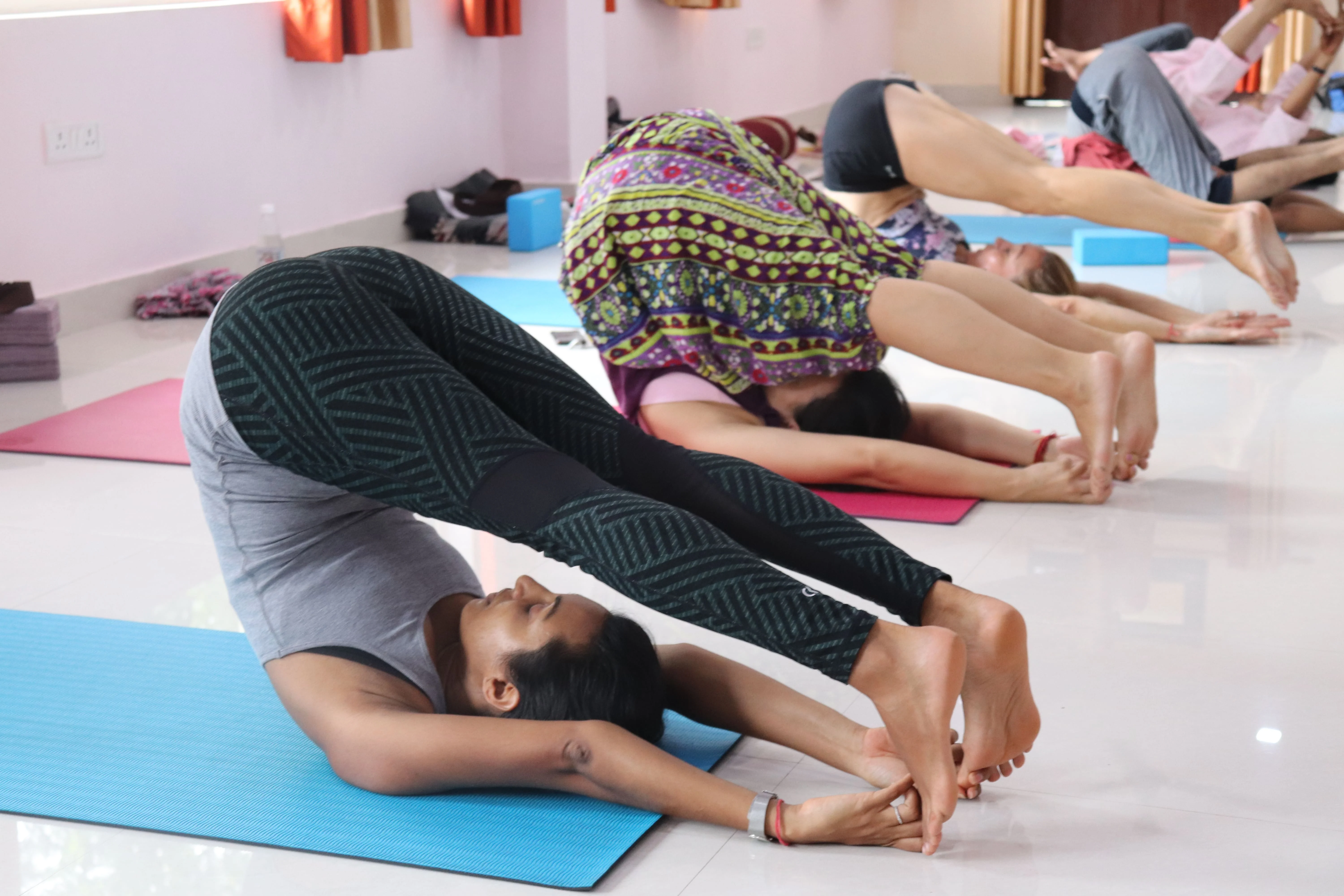
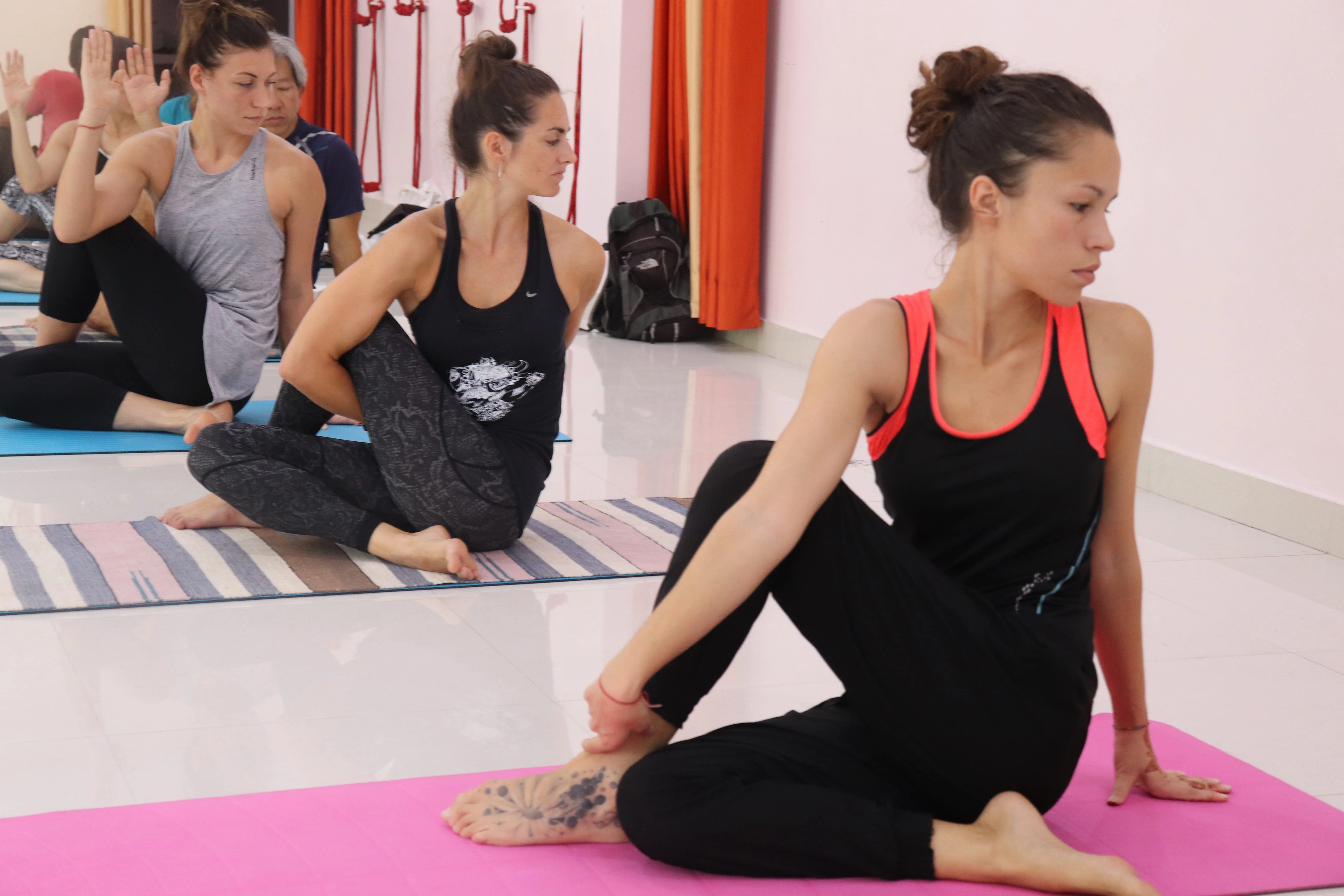
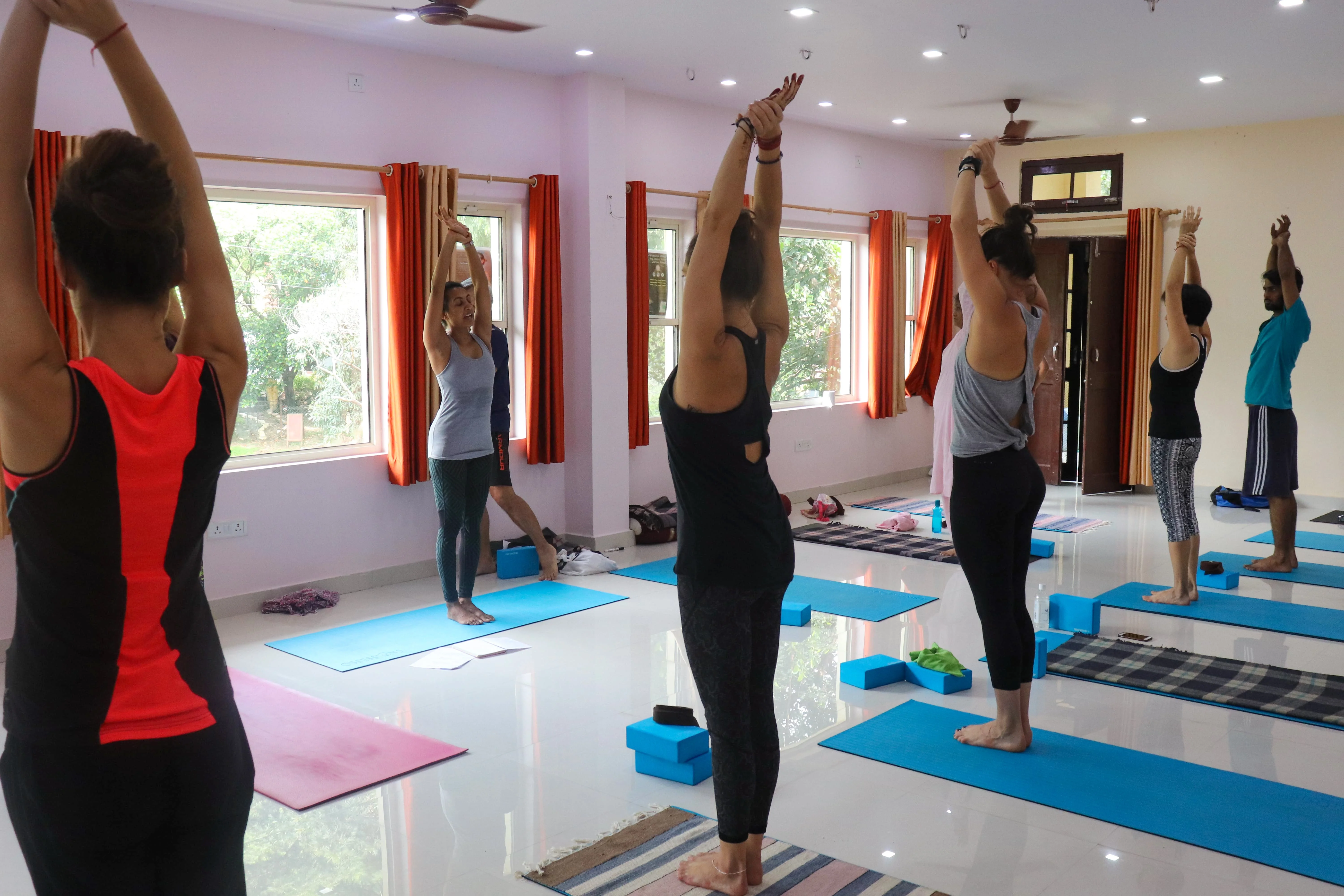
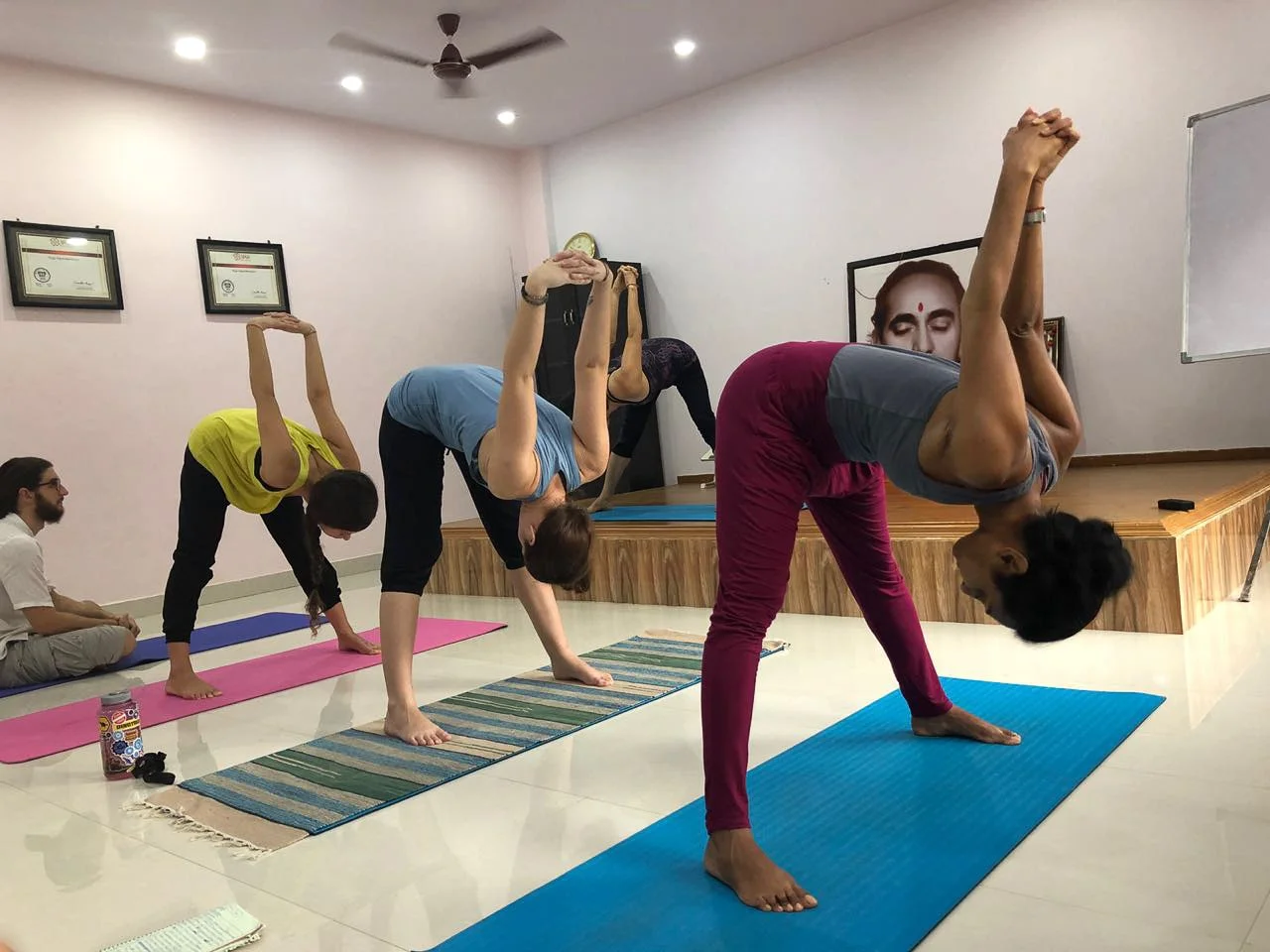
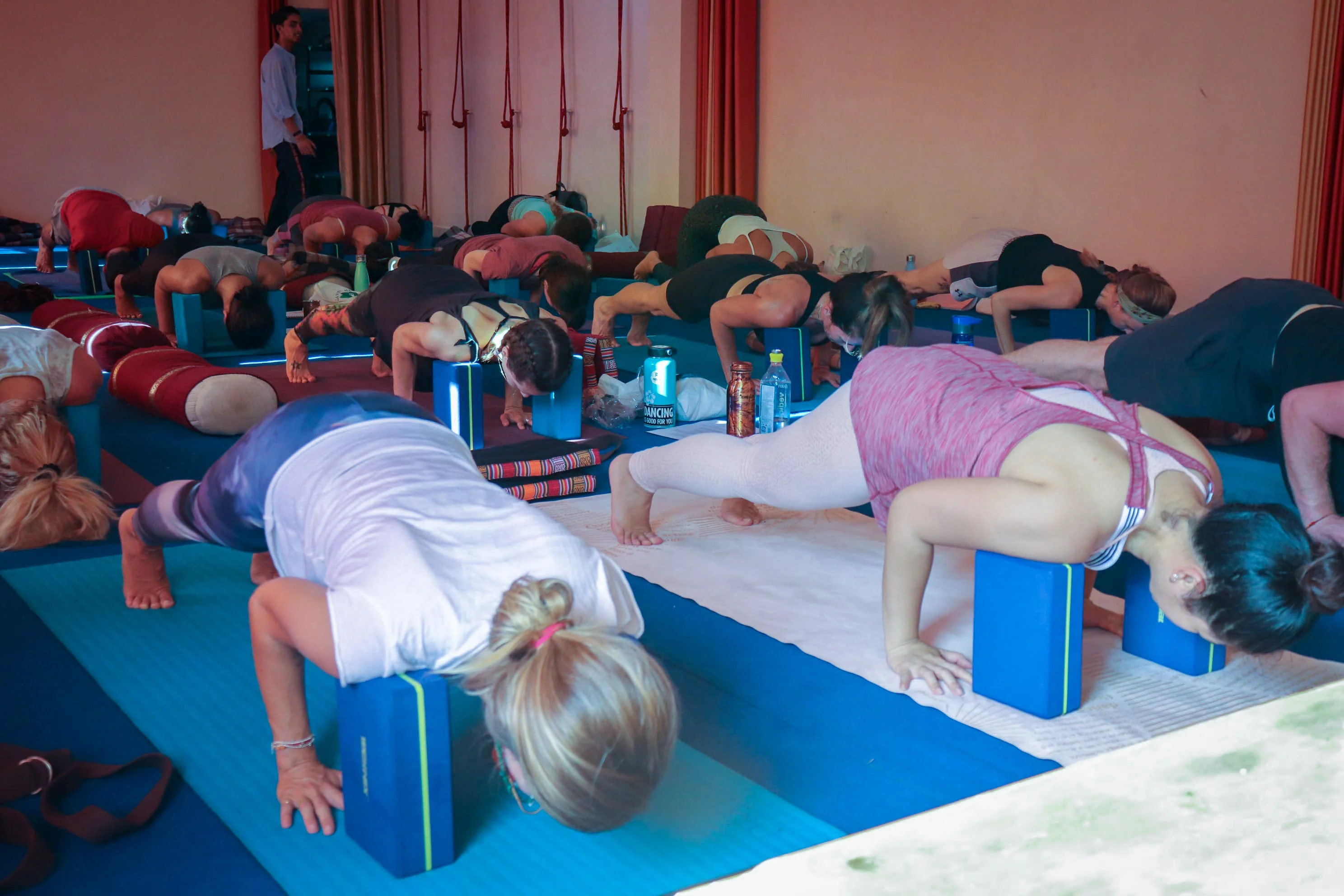
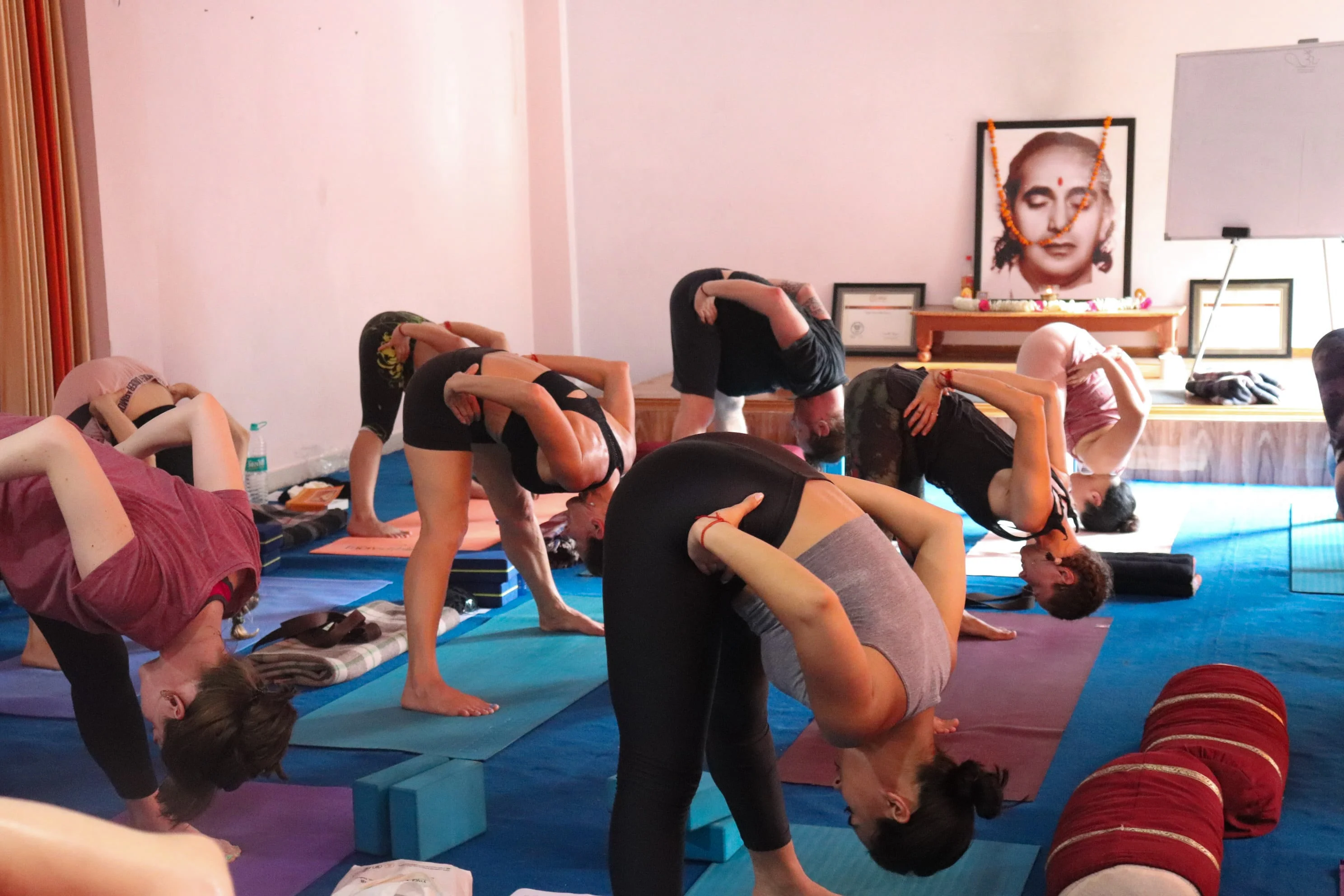
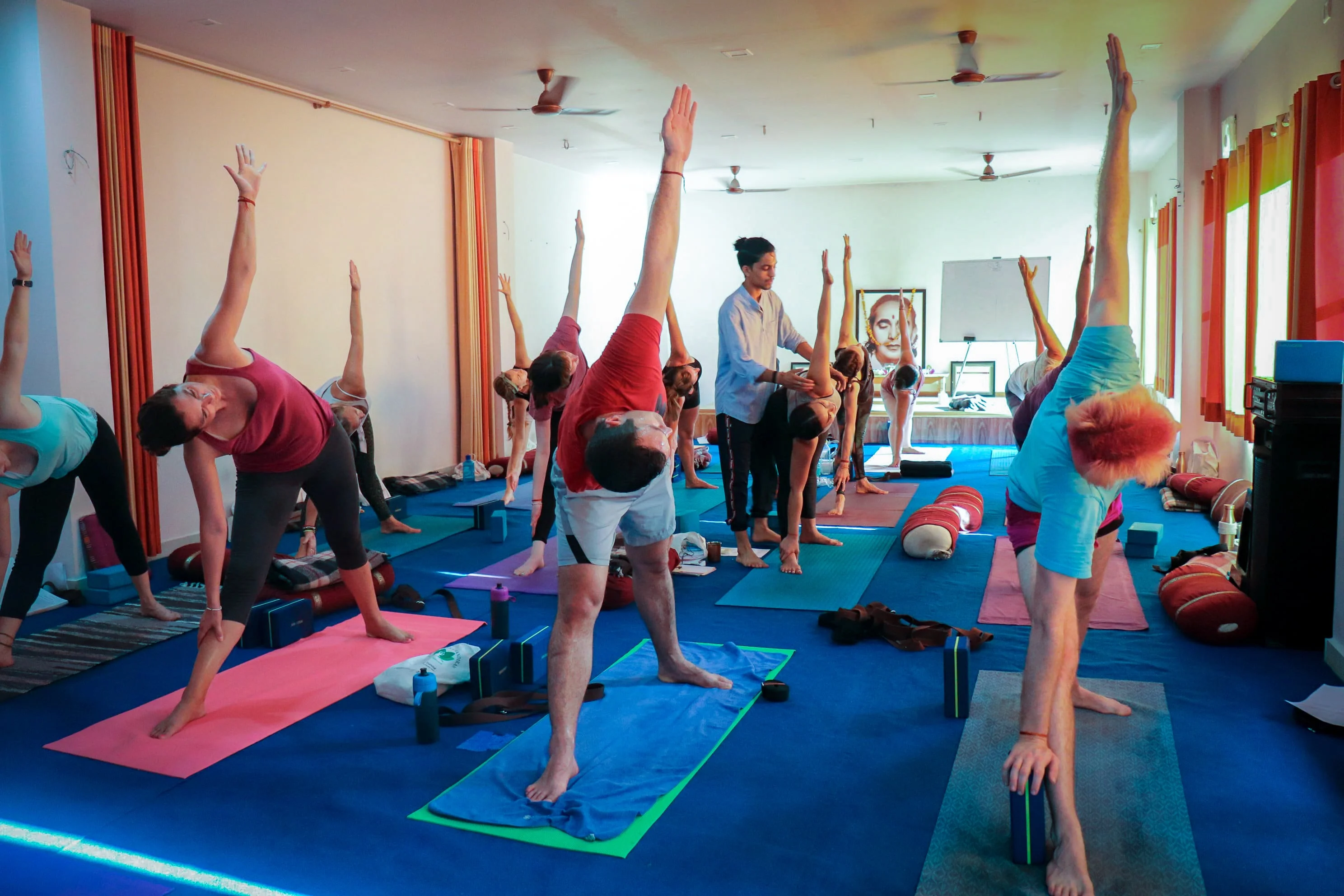
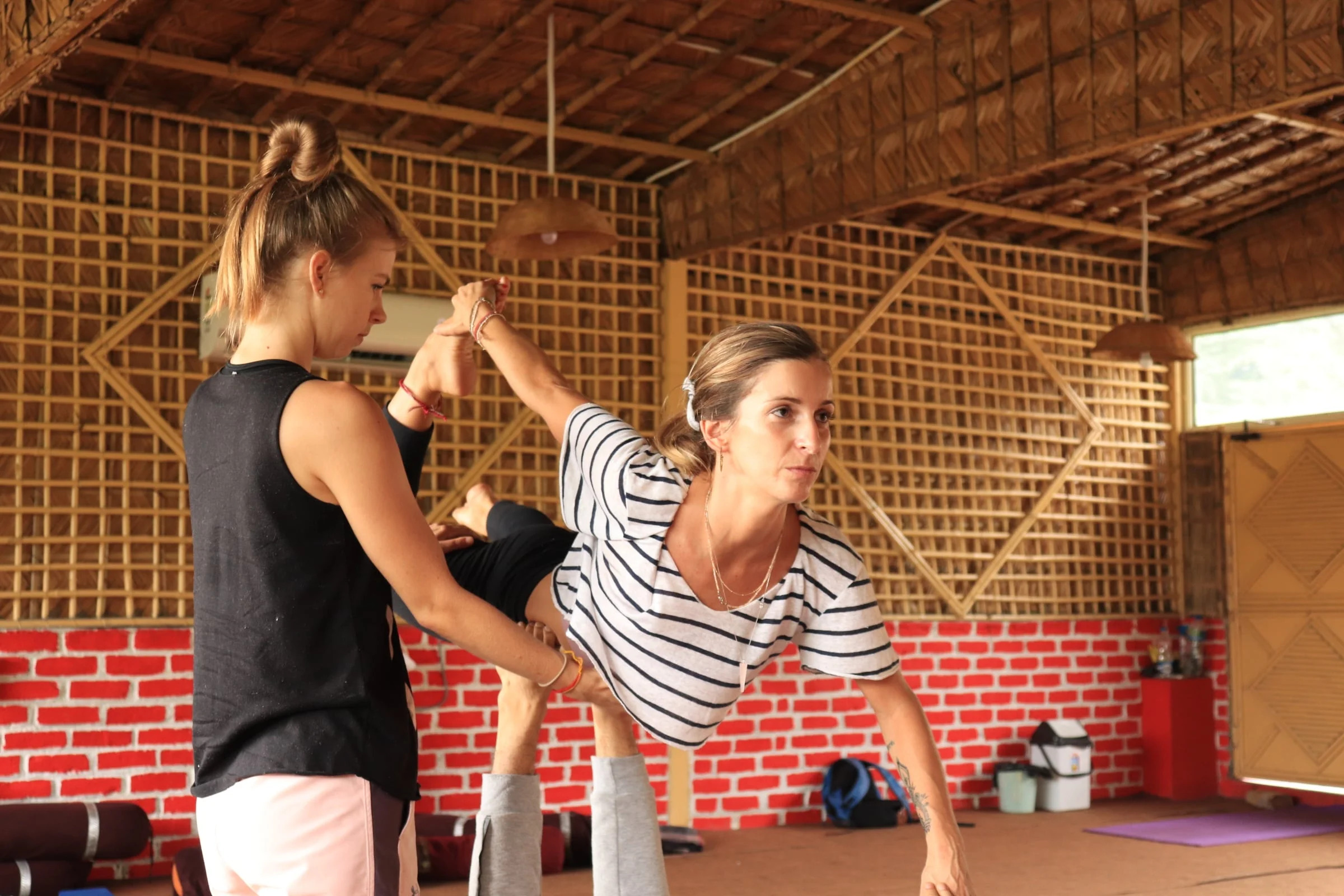
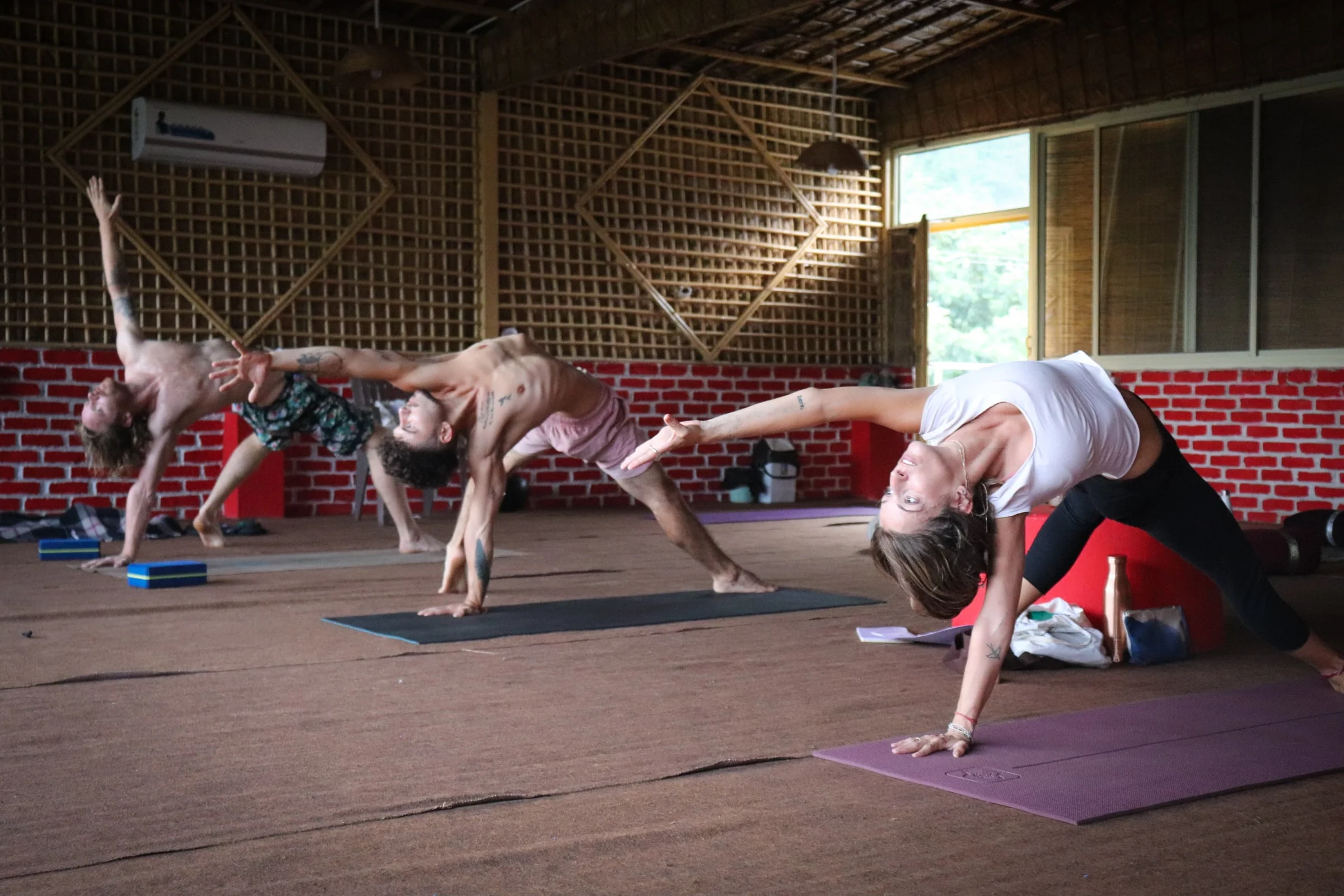
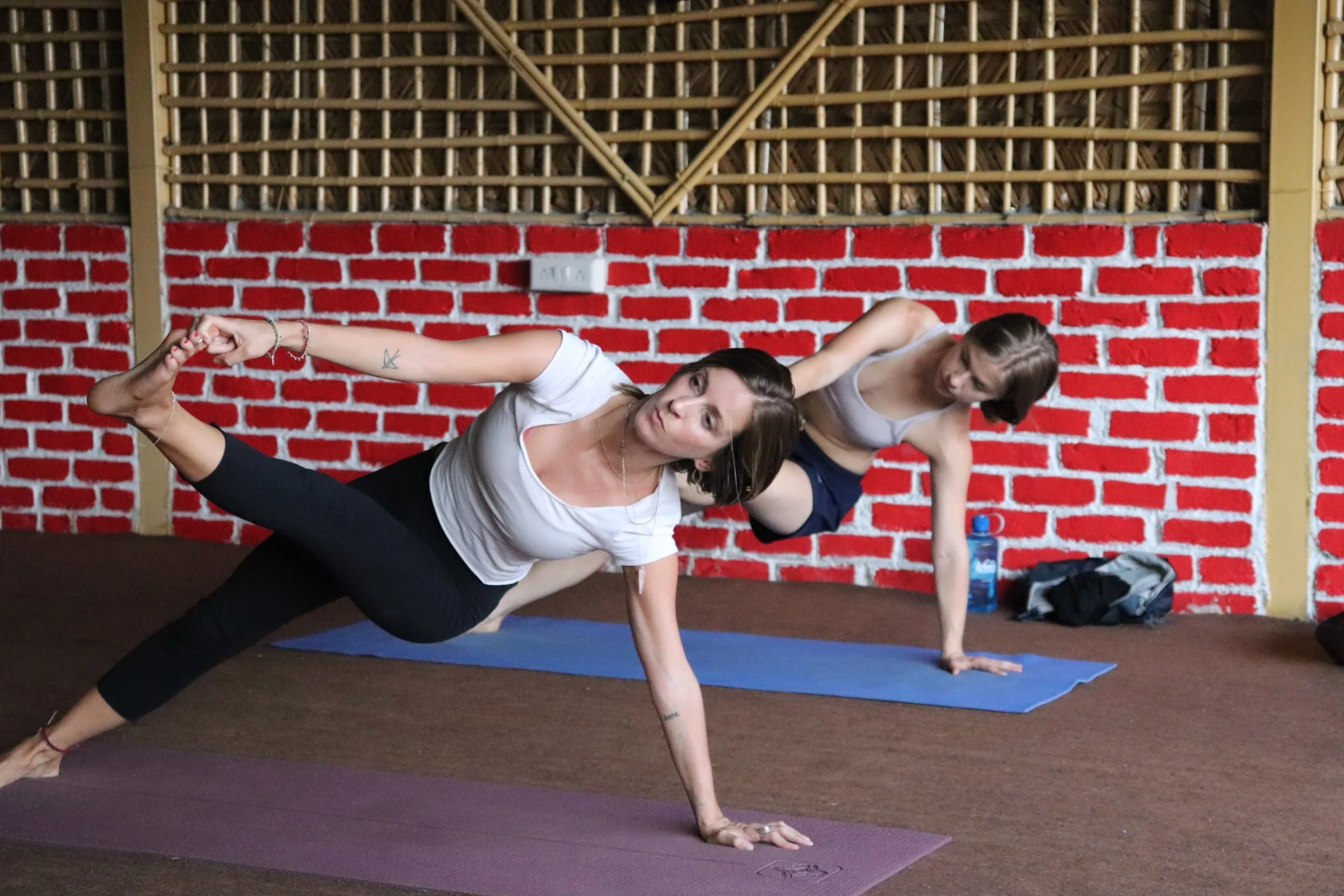
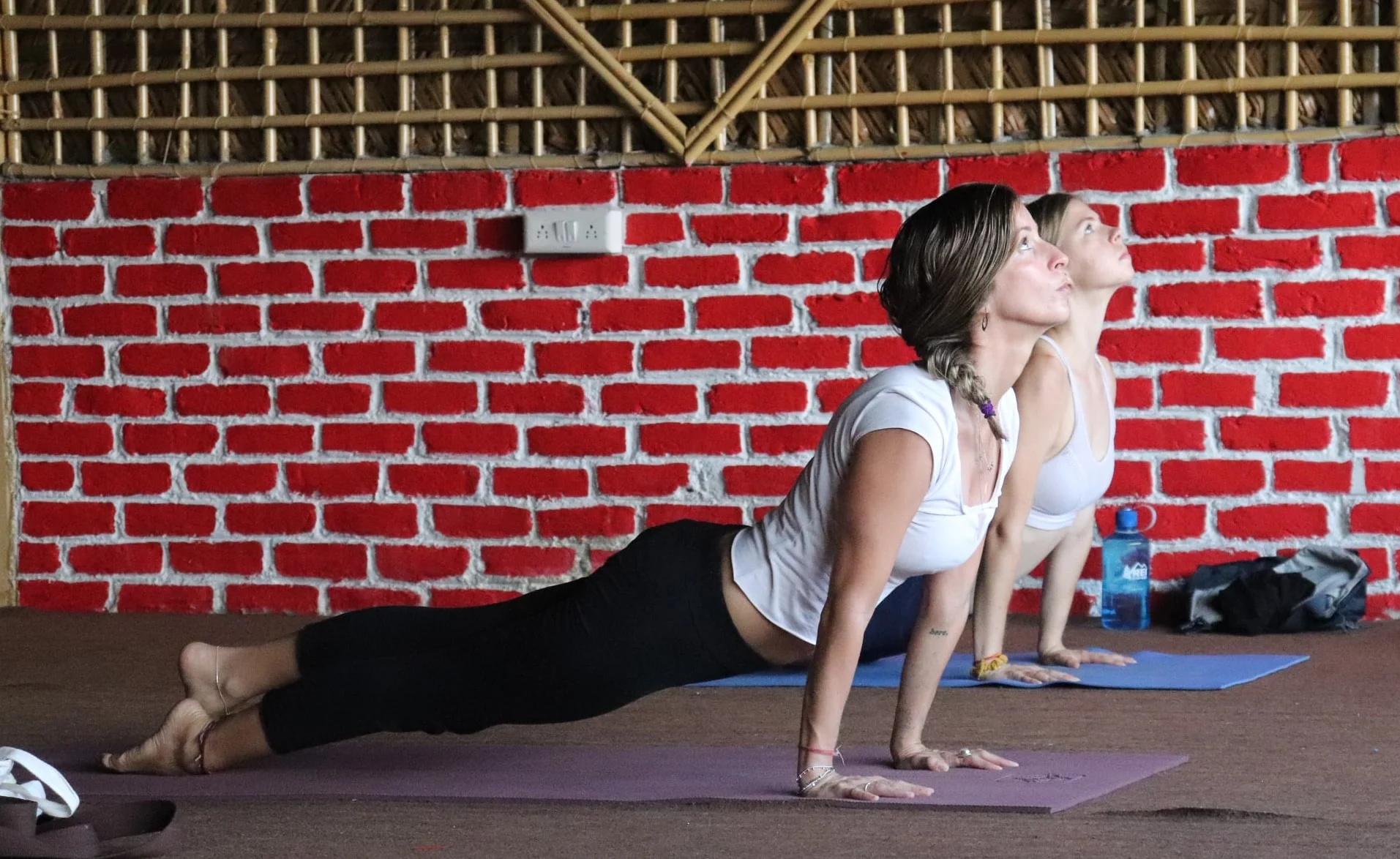
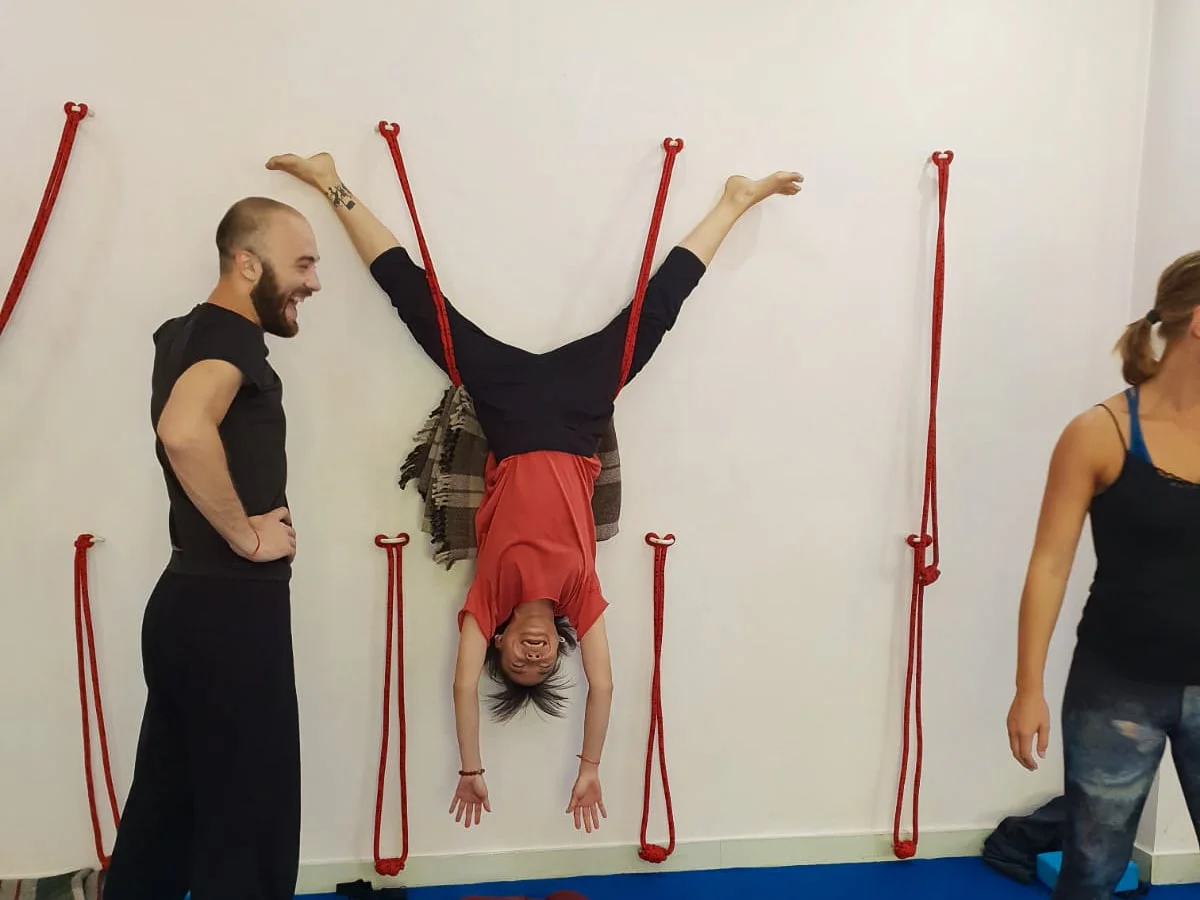
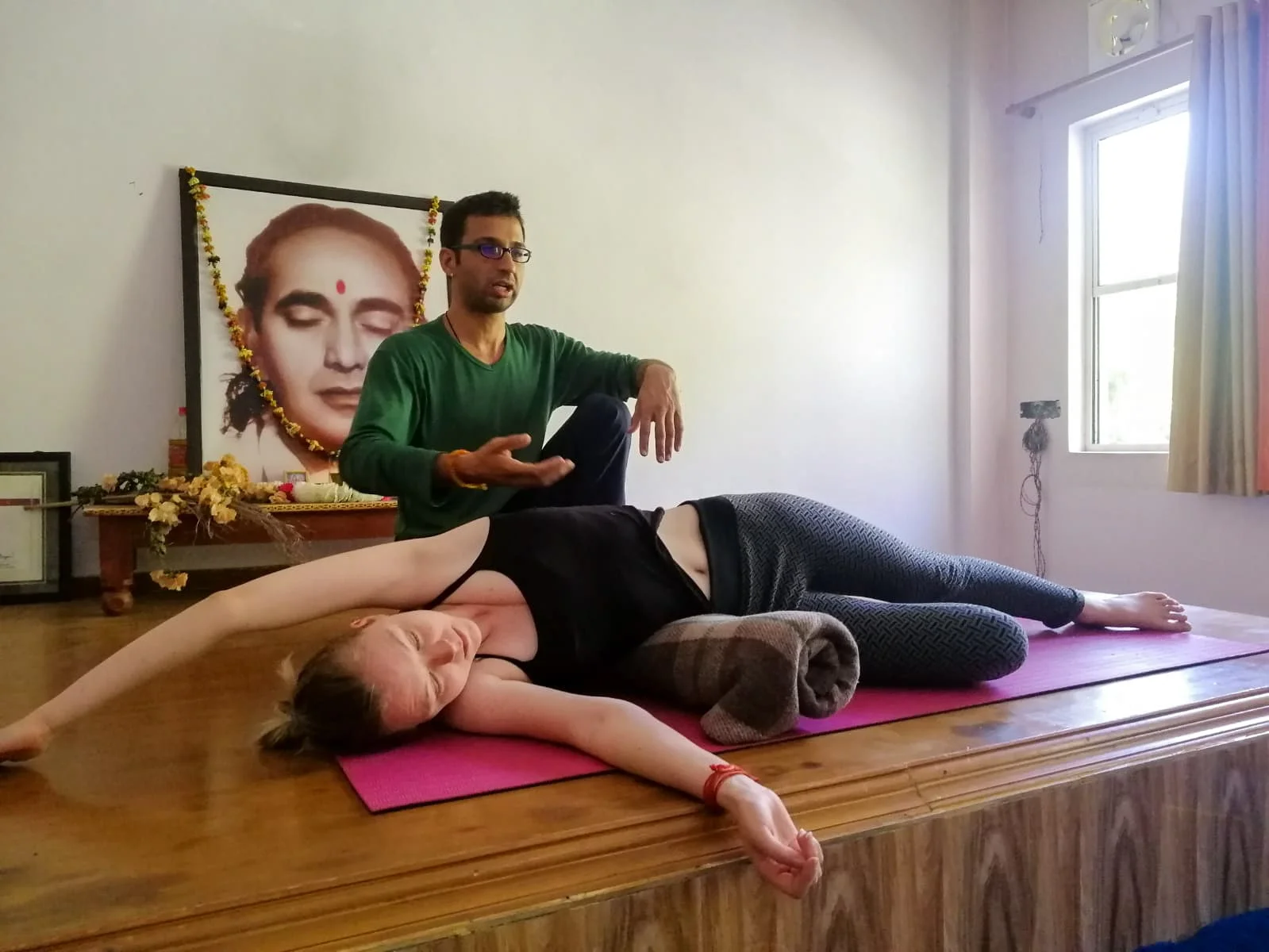
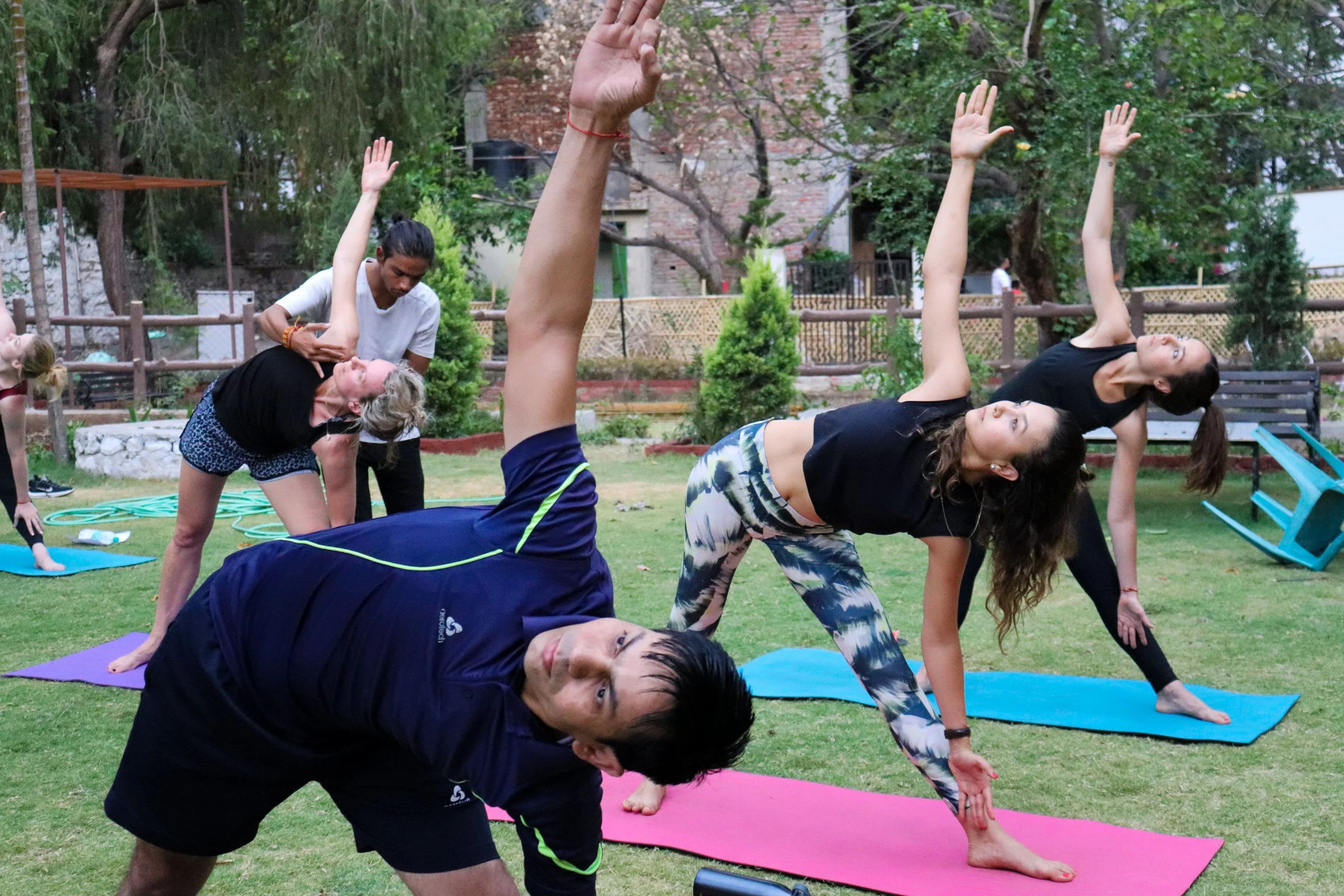
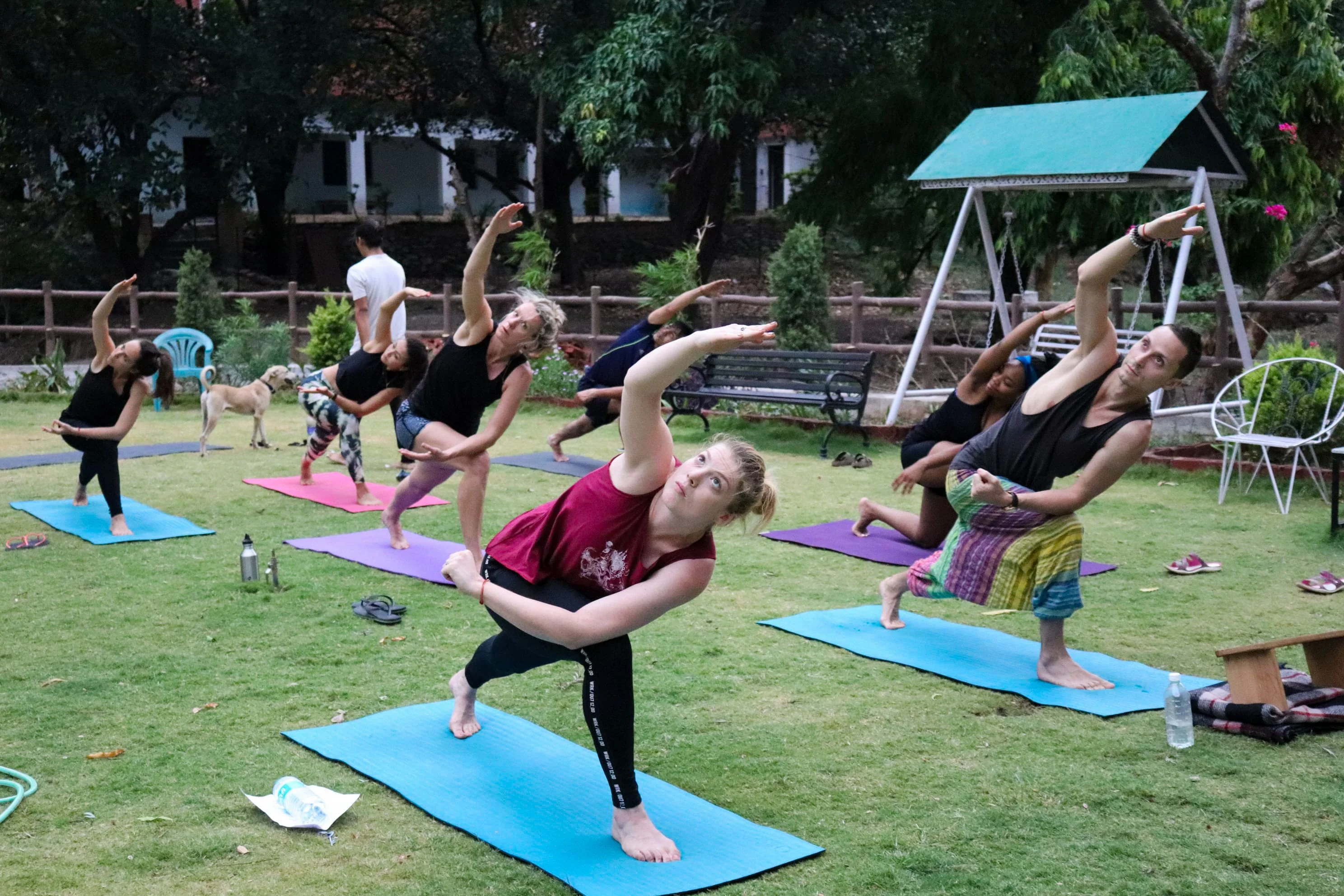
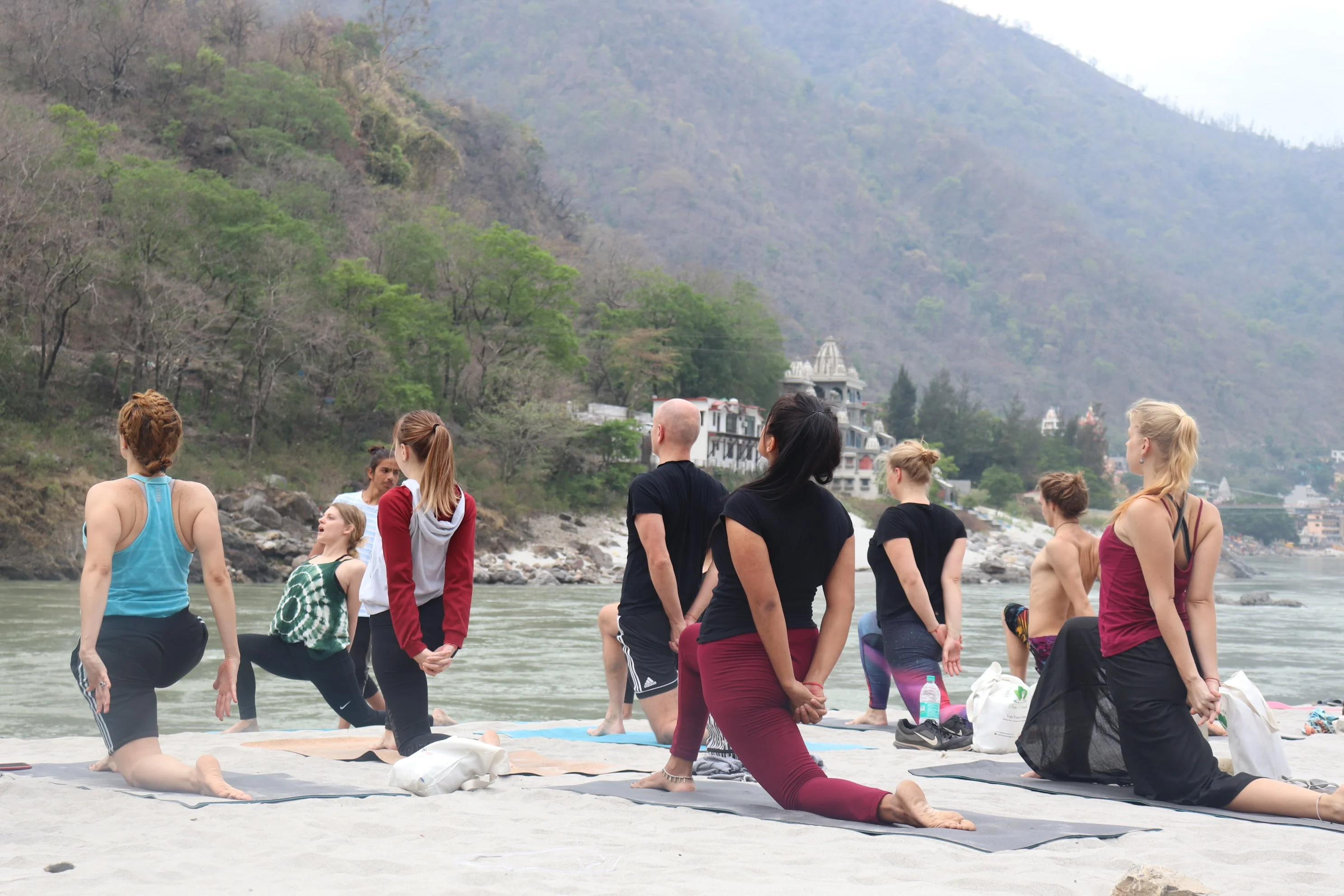
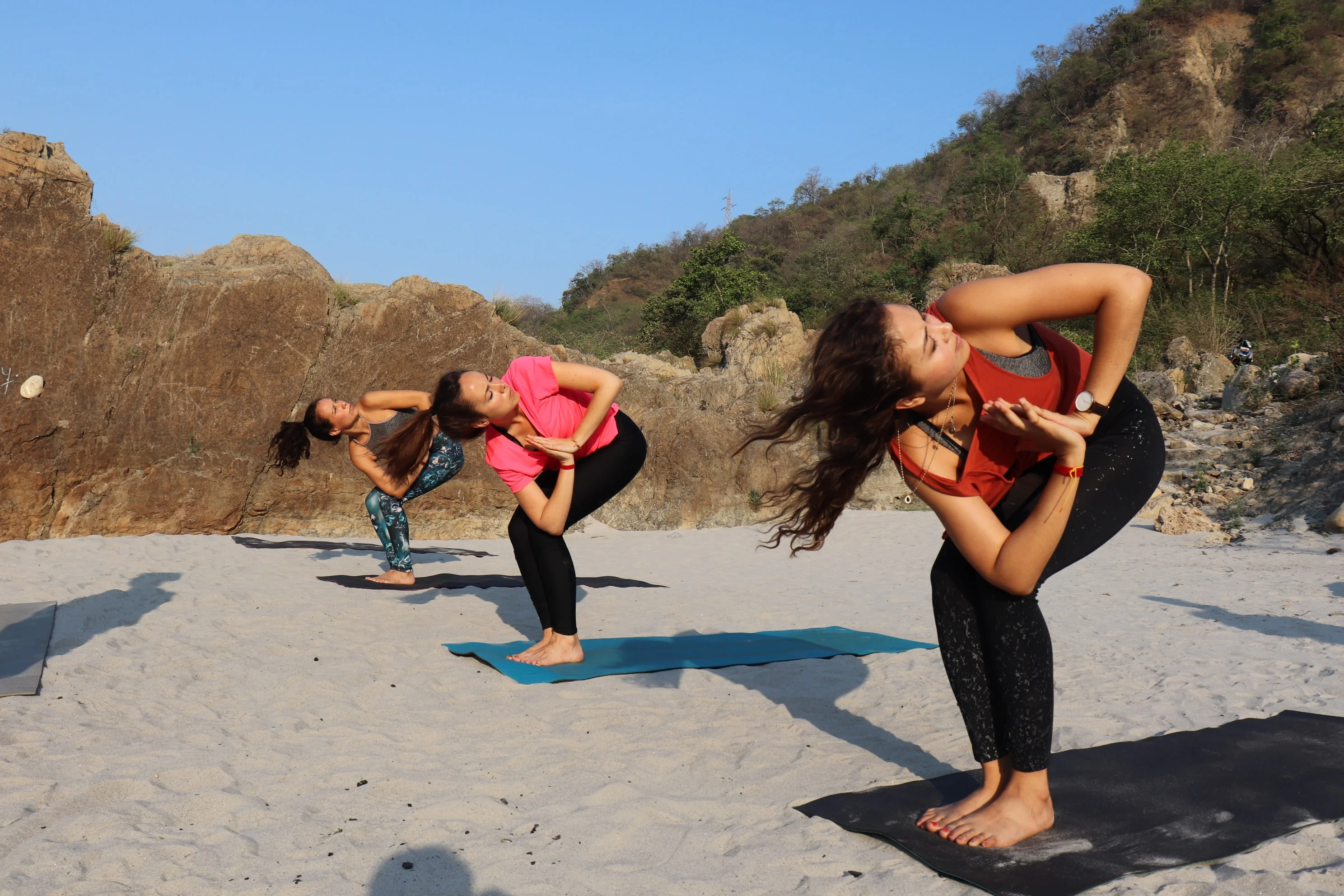
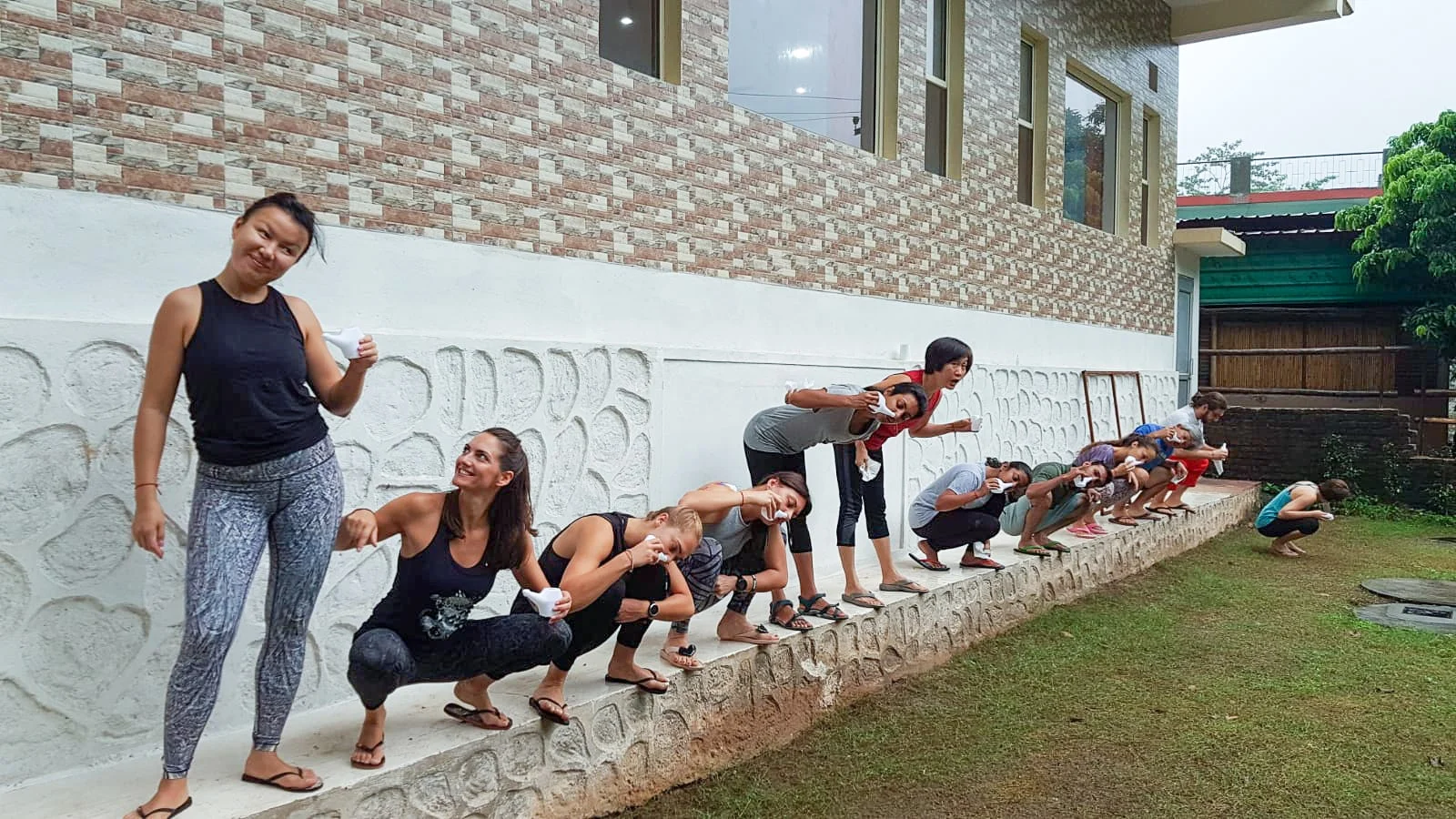
Yoga Vidya Mandiram Yoga School is a registered Yoga School centered in Rishikesh, India. The Center is dedicated to restore, explore and impart the purest form of knowledge of Yogic studies and its practices with their scientific verification. The Yoga Center intends to maintain the yogic teachings to their ancient and traditional purity as taught by the yogis of the Himalayan masters. Thus, our Yoga School is a bridge between pure and traditional form …
About Yoga Vidya Mandiram
How to reach
Airways Connectivity
Dehradun, Jolly Grant Airport (DED): It is approximately 35 minutes by taxi from DED to our school in Rishikesh.Railway Connectivity
Haridwar Railway Station (Haridwar Junction): From Delhi, the train ride takes approximately eight hours, depending on the train. Haridwar Junction is 35-45 minutes away from Rishikesh. Taxi or tuktuks are available for hire.Roadway Connectivity
Buses to Rishikesh leaves New Delhi from the Kashmiri Gate national bus stand, approximately every hour. The bus ride takes about 5-7 hours and costs around 900 INR for air conditioned buses and 500 INR for buses without air conditioning.Important Disciplines/Rules
Complete school rules are mentioned on our official website.
- No alcohol, drugs or any addictive substance are allowed during the course. Any alcohol/drug consumption will lead to being asked to leave without certification.
- No smoking of any kind, including e-cigarettes are allowed on premise.
- No consumption of non-vegetarian (i.e. meat, poultry, eggs, etc.), including eggs, within accommodation or school/resort premise. We realize that not everyone interested in the course are pure vegetarian. However, by signing up and booking for this course, you have agreed to our disciplines and our diet requirements. Students are responsible for bringing dietary supplements that they required during the duration of the course.
- No verbal or behavioral aggression.
- Students are required to be punctual and to attend 90% of the training hours.
- No using mobile phones for external communication or social media during an ongoing class.
- No friends and relatives are allowed to stay with yoga students without any prior permission from the management.
By signing up and booking for this course, you have agreed to our disciplines and our diet requirements. School holds the right to ask a student to leave the training without certification, if he or she does not follow or violates school discipline.
In the case of cancellation, the advance deposit of a course fee is strictly non-refundable. However, you may reschedule for the same program in a future month but within 1 year after the initial course date booked. Reschedule must be inquired in advance of and only if there is still availability for the desired month.
# Note: ''For all refunds, the payment gateway charges, service charges and taxes will be deducted. Only the balance will be paid''.
share package details


Please chat with us or mail us at cs@ayuruniverse.com to know more about this wellness center
 1 person max

Similar Packages
Ayuruniverse Verified
 2 Interested
Weluwanarama Mawatha, Southern, Sri Lanka
Wi-Fi
 Swimming Pool
Jogging / Walking Path
Airport Transfers
Swimming Pool
Jogging / Walking Path
Airport Transfers
Ayuruniverse Verified
2 Interested
Hatha Yoga Teacher Training in Rishikesh
Rishikesh, Uttarakhand, India
Wi-Fi
Utilities Shop
Jogging / Walking Path
Ayuruniverse Verified
2 Interested
100-hour Hatha Yoga Teacher Training
Rishikesh, Uttarakhand, India
Wi-Fi
Utilities Shop
Jogging / Walking Path
Ayuruniverse Verified
2 Interested
500 Hour Yoga Teacher Training
Rishikesh, Uttarakhand, India
Wi-Fi
Jogging / Walking Path
Ayuruniverse Verified
Ayuruniverse Verified
2 Interested
Multi-style Yoga Teacher Training
Rishikesh, Uttarakhand, India
Wi-Fi
Jogging / Walking Path
Airport Transfers
Ayuruniverse Verified

