


 Please expect a free call back
Authentic Kerala Ayurveda
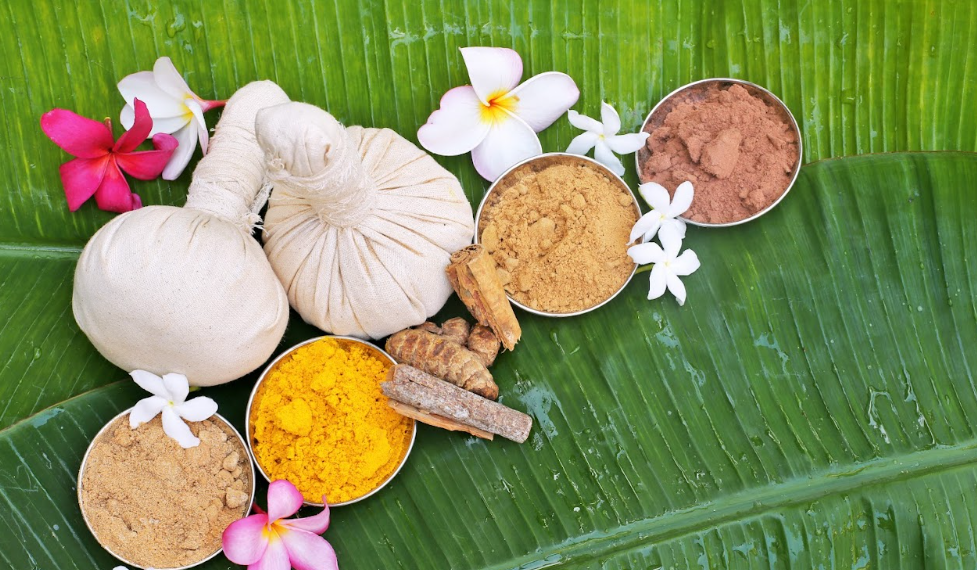
Authentic Kerala Ayurveda Practices
A Deep Dive into India’s
Most Renowned Ayurveda Tradition
Kerala Ayurveda represents
one of the most authentic, clinically evolved, and uninterrupted expressions
of Ayurveda in practice today. Rooted in classical Ayurvedic texts and
preserved through generations of Vaidya (physician) families (Ashta
Vaidya parampara), Kerala’s approach to healing is known for its depth,
precision, and therapeutic rigor.
Unlike modern wellness
interpretations that focus on isolated therapies or herbal supplements, traditional
Kerala Ayurveda functions as a complete medical system—addressing disease
prevention, chronic illness, detoxification, rejuvenation, and longevity
through a highly structured and personalised framework.
Why Kerala Is Considered the Global Heartland of
Ayurveda
Kerala is often referred to
as the “cradle of Ayurveda”, not merely as a cultural claim, but due to
a rare convergence of factors that sustain authentic practice even today.
1. Unbroken Lineage of Vaidyas (Physicians)
Kerala is home to
centuries-old Ayurvedic families who preserved clinical knowledge through oral
transmission, apprenticeship, and classical education. This ensured
continuity of authentic treatment protocols without dilution.
2. Ideal Climate for Ayurvedic Therapies
The region’s warm, humid,
tropical climate is especially conducive to oil-based therapies (snehana)
and detoxification. Humidity keeps bodily channels (srotas) open,
allowing therapies to penetrate deeper and work more effectively.
3. Exceptional Medicinal Biodiversity
Kerala’s forests, hills,
wetlands, and coastal ecosystems support over 1,200 medicinal plant species,
many of which are endemic and unavailable elsewhere. These herbs form the
backbone of classical formulations and fresh decoctions used in treatments.
Philosophical Foundations of Kerala Ayurveda
At its core, Ayurveda views
health as a dynamic balance, not a static state. Kerala Ayurveda remains
deeply rooted in this classical worldview.
Key Principles
- Dosha balance: Vata (movement), Pitta (metabolism),
Kapha (structure)
- Agni (digestive intelligence): The foundation of health and immunity
- Ama (metabolic toxins): The root cause of many chronic diseases
- Prakriti-based care: No two treatment plans are identical
Healing, therefore, is not
about symptom suppression, but about correcting imbalance at its source.
Panchakarma: The Backbone of Authentic Kerala
Ayurveda
Panchakarma is not a spa
detox or a relaxation program. In Kerala Ayurveda, it is a medical protocol
performed under strict physician supervision.
What Panchakarma Really Does
- Eliminates deep-seated toxins (ama)
- Resets digestive and metabolic
intelligence (agni)
- Restores tissue nourishment (dhatu
poshana)
- Improves immunity, clarity, and
resilience
Kerala is globally
recognised as the most authentic destination for Panchakarma due to its clinical
discipline, experienced physicians, and supportive climate.
The Five Primary Panchakarma Therapies (Pradhana
Karma)
Each Panchakarma treatment
is prescribed only after detailed assessment.
1. Vamana (Therapeutic Emesis)
Used primarily for Kapha
disorders such as chronic respiratory congestion, allergies, obesity, and
metabolic sluggishness. Carefully induced vomiting eliminates excess Kapha from
the upper GI tract.
2. Virechana (Therapeutic Purgation)
Targets excess Pitta
accumulated in the liver, gallbladder, and intestines. Commonly prescribed for
skin disorders, hormonal imbalances, inflammatory conditions, and liver-related
issues.
3. Basti (Medicated Enema Therapy)
Considered the most powerful
Panchakarma therapy, Basti directly addresses Vata—the primary driver of
degeneration, pain, anxiety, and neurological disorders.
4. Nasya (Nasal Therapy)
Medicated oils or herbal
extracts are administered through the nostrils to cleanse the head, neck, and
sinus region. Effective for migraines, sinusitis, cervical issues, and mental
fatigue.
5. Raktamokshana (Bloodletting)
Used selectively in clinical
settings for specific inflammatory, vascular, or dermatological conditions.
This is performed only by highly trained physicians.
The Three-Stage Panchakarma Process in Kerala
A true Panchakarma program
typically lasts 14–28 days and follows a precise structure.
1. Purvakarma – Preparation Phase
This stage prepares the body
to release toxins safely.
- Internal oleation: Medicated ghee intake
- External oleation: Abhyanga (oil massage)
- Swedana: Herbal steam therapy
2. Pradhana Karma – Main Detox Phase
The core Panchakarma
therapies are administered based on diagnosis and treatment goals.
3. Paschat Karma – Post-Therapy
Rehabilitation
Diet, lifestyle, and
activity are gradually reintroduced to rebuild strength and stabilise results.
Signature Kerala Ayurvedic Therapies: A Deeper
Clinical Perspective
Kerala Ayurveda is globally
respected not merely for what therapies are offered, but for how
they are executed—with precision, sequencing, climate sensitivity, and
classical intent. The following treatments are hallmarks of authentic Kerala
practice and are far more than relaxation rituals. Each therapy has a defined
therapeutic purpose, methodology, and physiological impact.
Pizhichil (Sarvāṅga Snehana–Swedana)
The Classical Rejuvenation
Therapy for Vata Disorders
Pizhichil is often referred
to as the “King of Ayurvedic Therapies” due to its profound rejuvenative and
neuromuscular benefits. Clinically, it is a combined oleation (snehana) and
sudation (swedana) therapy, performed simultaneously.
Procedure:
Large quantities of warm, medicated oil—selected based on the individual’s
dosha imbalance—are gently and continuously poured over the entire body in a
rhythmic manner. Two to four trained therapists work in synchrony, maintaining
uniform temperature and pressure while performing a coordinated massage. The
therapy typically lasts 60–90 minutes per session and is repeated over
several days.
Therapeutic action:
- The warmth dilates bodily channels (srotas),
allowing oil to penetrate deep tissues
- Pacifies aggravated Vata, which
governs movement, nerves, and degeneration
- Improves circulation, lubrication of
joints, and neuromuscular conductivity
Indications:
- Osteoarthritis, rheumatoid arthritis
- Neurological disorders (paralysis,
neuropathy, Parkinson’s support care)
- Chronic fatigue, muscle wasting
- Post-illness debility
Pizhichil is particularly
effective in Kerala’s humid climate, which prevents oil from drying too quickly
and enhances absorption.
Navarakizhi (Shashtika Shali Pinda Sweda)
A Deeply Nourishing Therapy
for Tissue Depletion
Navarakizhi is a brimhana
(nourishing) therapy rather than a detox treatment. It uses Navara rice—a
rare, medicinal rice variety native to Kerala—known for its strengthening and
rejuvenating properties.
Procedure:
Navara rice is cooked in a decoction of herbal roots and cow’s milk, then tied
into soft muslin boluses (kizhi). After an initial oil massage, these
warm boluses are gently massaged over the body in a rhythmic fashion.
Therapeutic action:
- Nourishes muscle tissue (mamsa dhatu)
and nerve tissue (majja dhatu)
- Improves muscle tone, strength, and
coordination
- Enhances skin texture and vitality
Indications:
- Muscle wasting and weakness
- Neuromuscular disorders
- Post-stroke rehabilitation
- Developmental delays and degenerative
conditions
Navarakizhi is especially
valuable when debilitation or dryness dominates rather than toxin
accumulation.
Shirodhara (Murdha Taila Chikitsa)
Neurological and
Psychosomatic Regulation Therapy
Shirodhara is one of the
most researched and clinically relevant therapies for modern stress-related
disorders. In Kerala Ayurveda, it is performed as part of Murdha Taila
(head-based therapies), not as a standalone spa ritual.
Procedure:
A continuous, steady stream of warm medicated oil, buttermilk (takra),
milk, or herbal decoction is poured over the forehead—specifically the region
corresponding to the Ajna marma. The session lasts 30–45 minutes,
often preceded by head and neck massage.
Therapeutic action:
- Regulates the hypothalamic–pituitary axis
- Calms aggravated Vata and Pitta in
the nervous system
- Induces deep parasympathetic
(rest-and-repair) response
Indications:
- Insomnia, anxiety, burnout
- Hypertension and stress-related headaches
- Hormonal imbalance
- Mental fatigue and emotional instability
Kerala physicians carefully
choose the medium (oil vs buttermilk) based on doshic dominance and mental
constitution.
Kizhi Therapies (Poultice Treatments)
Targeted Pain and
Inflammation Management
“Kizhi” refers to therapies
using heated herbal poultices applied to the body. Kerala Ayurveda employs
several types depending on pathology.
Common Variants:
- Elakizhi: Herbal leaf poultice for inflammation
and stiffness
- Podikizhi: Herbal powder poultice for obesity and
stiffness
- Manalkizhi: Heated sand poultice for swelling and
pain
Procedure:
Herbal mixtures are heated (often dipped in medicated oil) and applied with
controlled pressure over affected areas or the whole body.
Therapeutic action:
- Reduces pain, stiffness, and swelling
- Improves joint mobility
- Clears localized ama (toxins)
Indications:
- Arthritis and joint pain
- Sports injuries
- Muscular stiffness and postural strain
Kati Vasti, Janu Vasti, Shiro Vasti
Localized Oil Retention
Therapies
These are highly targeted
treatments used when pathology is localized rather than systemic.
Procedure:
A leak-proof boundary made of herbal dough is constructed over a specific body
part (lower back, knee, head). Warm medicated oil is retained within this
reservoir for 30–45 minutes, maintaining consistent temperature.
Therapeutic action:
- Deep lubrication of joints and nerves
- Reduces compression and degeneration
- Strengthens localized tissues
Indications:
- Slipped disc, sciatica (Kati Vasti)
- Knee osteoarthritis (Janu Vasti)
- Migraines, hair loss, neurological
imbalance (Shiro Vasti)
Kalari Chikitsa (Marma-Based Therapeutic Healing)
Traditional Rehabilitation
from Kerala’s Martial Heritage
Derived from Kalarippayattu,
Kerala’s ancient martial art, Kalari Chikitsa integrates Marma therapy,
deep tissue massage, and assisted stretching.
Procedure:
Therapists apply medicated oils using hands and feet, stimulating vital energy
points (Marma) while improving flexibility and circulation.
Therapeutic action:
- Restores energy flow through vital points
- Improves flexibility and joint alignment
- Accelerates injury recovery
Indications:
- Sports injuries
- Chronic musculoskeletal pain
- Postural imbalances
- Rehabilitation therapy
Why These Therapies Work Best in Kerala
These treatments are deeply
intertwined with:
- Kerala’s climate (ideal for oil-based
therapies)
- Freshly prepared herbal oils and
decoctions
- Physician-led customization
- Proper sequencing with Panchakarma
Authentic Kerala Ayurveda Centres & Where to
Experience These Therapies
Curated Kerala Ayurveda Retreats on AyurUniverse
Kerala’s Ayurvedic legacy is
best experienced through institutions that uphold classical protocols, traditional
Vaidya System-led care, and region-specific therapies refined over generations.
The following Ayurveda centres curated on AyurUniverse portal is a representation
of diverse healing environments across Kerala, from tranquil backwaters and
coastal settings to misty mountain retreats. Each centre is distinguished by
its therapeutic strengths, adherence to authentic treatment processes,
and the depth of clinical expertise offered by experienced Vaidyas.
Together, they showcase how traditional Kerala Ayurveda is practised
today—responsibly, rigorously, and with personalised care at the core.
When planning an Ayurveda
journey in Kerala — especially one focused on traditional therapies like Pizhichil,
Navarakizhi, Shirodhara, Kati Vasti, Elakizhi, Basti, Nasya, and full Panchakarma
programs — choosing a centre with experienced physicians and classical
protocols is essential.
Krishnendu Ayurveda Hospital – Alappuzha, Kerala
One of Kerala’s heritage
Ayurvedic institutions, Krishnendu has been preserving traditional healing
practices since 1908, blending four generations of Ayurvedic wisdom with
modern clinical rigour. The centre offers fully personalised Ayurveda and
Panchakarma programs, including detoxification, diet therapy, joint and
spine rehabilitation, neurological support, stress-reduction therapies, and
chronic condition management tailored to individual constitution and imbalance.
Therapies typically include
classical Panchakarma steps (Vamana, Virechana, Basti, Nasya),
rejuvenation protocols like Pizhichil and Shirodhara, and complementary
yoga and meditation sessions alongside sattvic meals. The environment —
tranquil backwaters and lush gardens — is designed for deep healing and mental
calm.
Ideal for: Chronic pain,
arthritis, detox, lifestyle disorders, stress relief, rejuvenation.
Kalari Rasayana - CGH Earth Ayurveda Hospital –Kollam,
Kerala
Kalari Rasayana is a NABH-accredited
Ayurveda hospital set amid scenic backwaters and coconut groves that blends
classical detoxification, rejuvenation, and personalised lifestyle medicine.
It follows the strict protocols of traditional Ayurveda, offering deeply
therapeutic cycles that include Panchakarma detox, Rasayana rejuvenation,
weight and metabolic programs, stress and sleep recovery therapies, and
doctor-led regimens for metabolic and joint health.
Programs typically begin
with a comprehensive assessment followed by customised treatment sequences —
combining internal medicine, oil therapies, herbal decoctions, yoga, pranayama,
meditation, and dosha-specific nutrition — all delivered in a meditative,
low-stimulus setting that encourages reflection and renewal.
Ideal for: Deep
detoxification, rejuvenation (Rasayana), stress relief, weight/metabolic
imbalance, chronic lifestyle conditions.
Amal Tamara –Alappuzha, Kerala
Amal Tamara is a NABH-certified
Ayurveda wellness destination that combines authentic Ayurvedic medical
care with luxury hospitality. It draws on a longtime family lineage of
Ayurvedic practice and emphasises integrated healing through personalised
treatment plans.
Guests can pursue tailored
Ayurveda programs ranging from anti-aging and Rasayana rejuvenation, weight
management, Panchakarma detoxification, immunity-boosting, women’s wellness
(Eve Care), dermatological care, and stress reduction. Therapies offered
often include Pizhichil, Shirodhara, Panchakarma, Kizhi, and specialized
Marma work — all synchronized with guided yoga, meditation, and Sattvic
cuisine designed to support therapeutic outcomes.
Ideal for: Holistic
wellness seekers, stress management, metabolic and hormonal support, lifestyle
transformation.
Sitaram Mountain Retreat - Ayurvedic Retreat at
Munnar – Munnar, Kerala
Set in the cool mountain
landscape of Munnar, this retreat blends Ayurvedic health care with
nature-based restorative practices. The centre’s approach is holistic,
tailoring wellness journeys to individual needs; key focus areas include stress
and emotional wellbeing, metabolic health and weight management, gut and
digestive programs, women’s health and fertility support, and deep
detoxification.
Typical retreat schedules
include two therapeutic treatments per day (approx. 60 minutes each),
daily group yoga and meditation sessions, personalised Ayurvedic
consultations, and mindful eating experiences. This location is ideal if you’re
looking to combine therapeutic healing with scenic serenity, nature immersion,
and gentle spiritual practices.
Ideal for: Mind–body
balance, metabolic and gut health, emotional wellbeing, personalised holistic
detox.
Nikki's Nest, A Seaside Ayurveda hospital –Trivandrum,
Kerala
Nikki’s Nest is a seaside
Ayurveda resort overlooking the Arabian Sea, recognised with Ayur
Diamond Classification and NABH accreditation by the Kerala Tourism Department.
It combines Ayurvedic clinical care with sustainable, holistic healing
practices in a calm coastal setting that enhances both detox and
relaxation.
The centre is known for individualised
treatments for chronic spondylitis and back pain, osteoporosis, arthritis,
psoriasis, sciatica, insomnia, fibromyalgia, and hormonal imbalances. Its
programs integrate classical Panchakarma therapies, therapeutic massages,
Ayurvedic medicine prescribing, yoga, meditation, and wellness consultations,
all tailored to the patient’s dosha and health goals.
Ideal for: Chronic
musculoskeletal conditions, skin issues, stress and sleep disorders, lifestyle
resetting by the sea.
Share this on


Our Popular Categories


Leave a comment