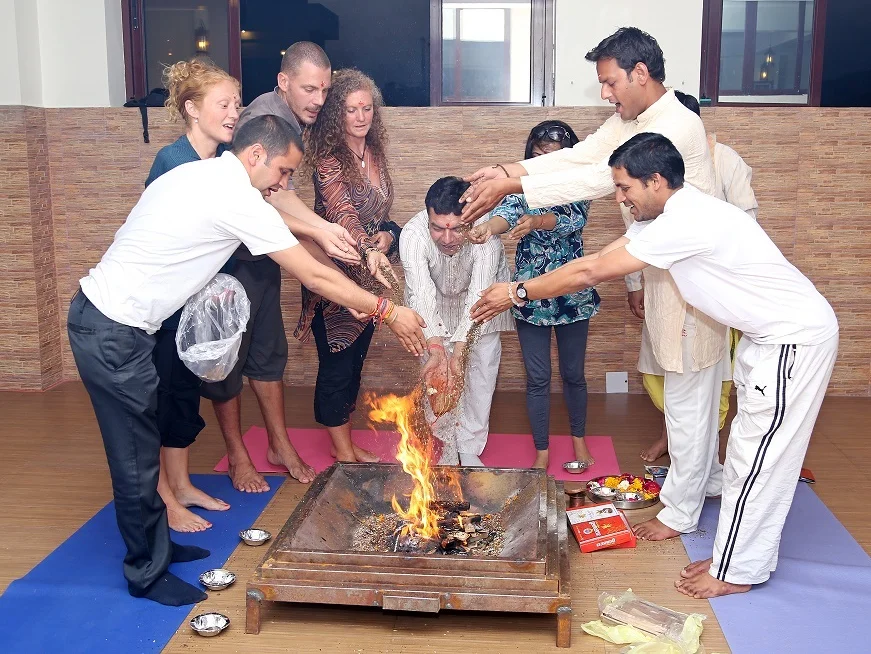



At Kaivalya Yoga School, we strongly believe in true and authentic yoga traditions. The purpose of Kaivalya Yoga teacher training course is to build the right foundation for our participants to help you start a successful career as certified yoga teacher. In our teacher training course, we are committed to share the full meaning and purpose of yoga with our participants by providing the highest quality yoga knowledge drawn from thousands of years of yoga traditions across the Indian yoga traditions.
300 hrs Yoga Teacher Training Course In India
At Kaivalya Yoga School, we strongly believe in true and authentic yoga traditions. The purpose of Kaivalya Yoga teacher training course is to build the right foundation for our participants to help you start a successful career as certified yoga teacher. In our teacher training course, we are committed to share the full meaning and purpose of yoga with our participants by providing the highest quality yoga knowledge drawn from thousands of years of yoga traditions across the Indian yoga traditions.
Yoga & Accommodation Facilities
300 Hours Hatha Yoga Course Syllabus
What you learn
This intensive fully residential 200 hour teacher training in Rishikesh sets the foundation for a well-rounded yoga practice that will bring you benefits for the rest of your life. In this course, our dedicated faculty will share their expertise on all aspects of yoga.
Shatkriyas
These ancient yogic cleansing techniques are practiced for purification of the body. There are six Shatkriyas in the Hatha tradition. They are used to help clear the body of excess mucus, fat, and bile, and should only be practiced under the guidance of a competent teacher.
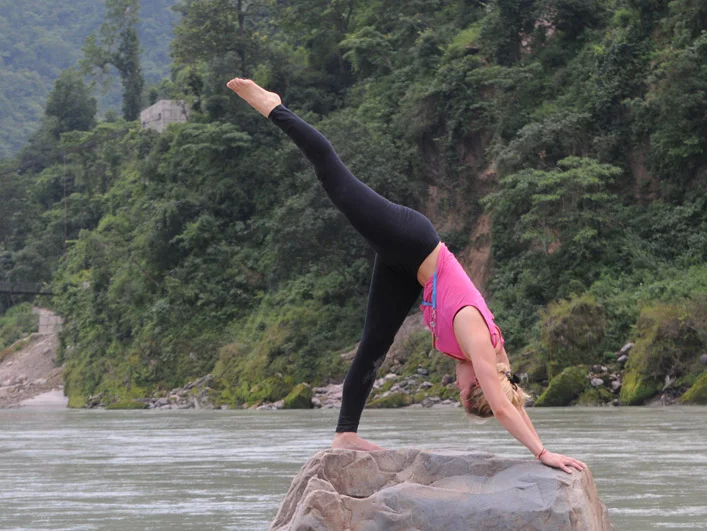
Asanas
There are 84 asanas in the Hatha tradition. These poses are used to steady the body and mind, making the practitioner more energetic, free from disease, and ready for the practice of meditation. These are often the most familiar part of yoga tradition in the Western world.
Pranayamas
These practices utilize breathing to control and influence the flow of vital life force (prana) in the body. Pranayamas are practiced after asana practice. They should be practiced under the guidance of a competent teacher, as the effects of these techniques on the body can be quite powerful.
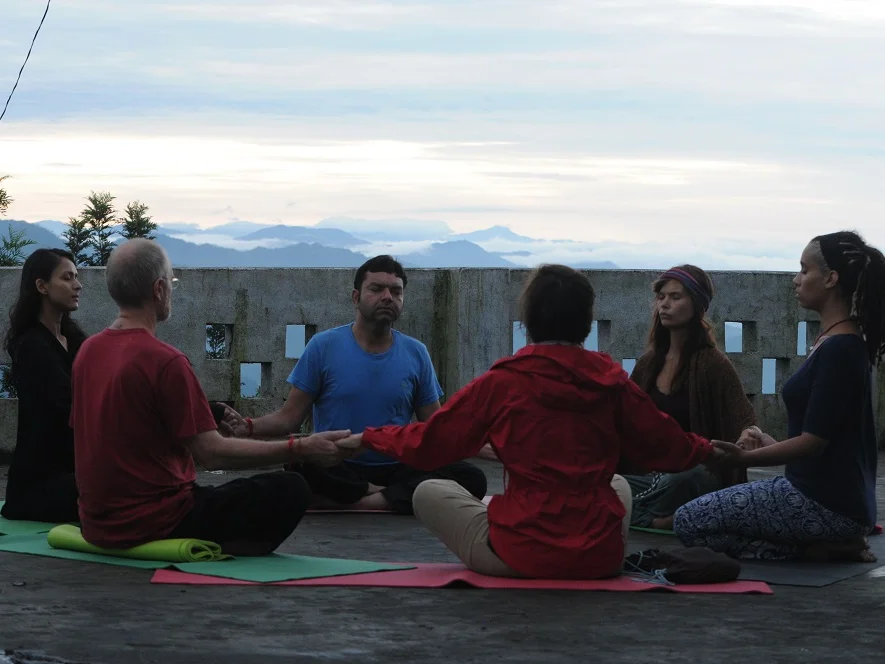
Meditation
Dhyana, or meditation, is the practice of calming the mind and body through controlling the thoughts, calming the senses, and deep concentration. There are many ancient yogic meditation practices, designed to bring the practitioner closer to spiritual awareness and understanding.
Mudras
Mudras are advanced yogic techniques that alter mood, attitude, and perception, thereby deepening awareness and concentration. They have a subtle but powerful effect on energy flow in the body and thus are a good preparation for deeper spiritual practices.
Bandhas
Bandhas are bodily locks that help to redirect the flow of energy in the body. They involve locking the chin, abdomen, and perennial region. As they are an advanced practice, they are best practiced individually under able instruction before being incorporated into other yogic practices.
Yoga Philosophy
For successful yoga practice, there must be an understanding of the ancient yoga philosophies as described in traditional texts.
Bhagvad Gita
This ancient text is one of the most important books for understanding modern yoga, as it outlines the origins of yoga philosophy as passed down through the centuries. A solid understanding of this scripture is necessary for anyone interested in the yoga traditions.
Anatomy & Physiology of Hatha Yoga
It’s important for yoga teachers to understand the movements and range of motion of the human body, as well as the inner workings of the digestive, respiratory, circulatory, and nervous systems. This knowledge will help teachers to address the safety concerns of students and give proper adjustments, while helping students understand the full benefits and limitations of their practice.
Ayurveda
Ayurveda is an ancient yoga tradition of healing the body through better knowledge of both the internal and external functions. It encompasses nutrition and massage therapy that is practiced to improve the overall well-being of the body and mind.
300 Hours Yoga TTC Daily Schedule
Timing Session
6 AM Tea
6.30 – 8.00 AM Asanas
8.00 – 9.00 AM Pranayamas
9.00- 10.30 A.M. Breakfast
10.30 – 11.30 A.M. Lectures
11.30 – 12.30 A.M. Physiology and Anatomy
12.30 – 3.00 P.M. Lunch & Rest
3.00 -4.00 P.M. Yoga Philosophy, Mantras & Bhagvad gita
4.00 – 5.00 P.M. Meditation
5.00 – 6.00 P.M. Evening Tea
6.00-7.30 P.M. Asanas
7.30 P.M. Dinner