


rating-star 3.5

Joint Pain Package

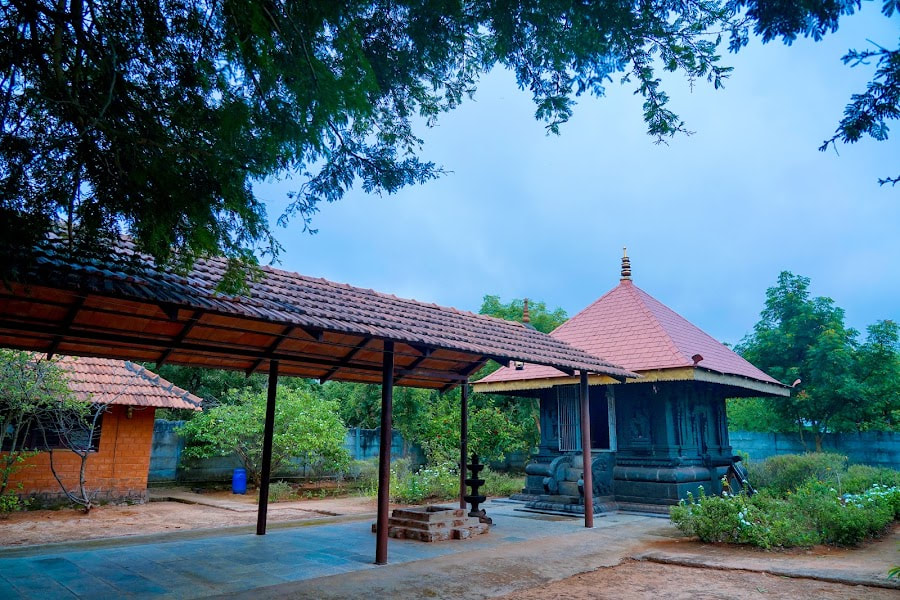
location-icon Vaidyagrama, Coimbatore, Tamil Nadu, India

fire-icon 2 People visited this center

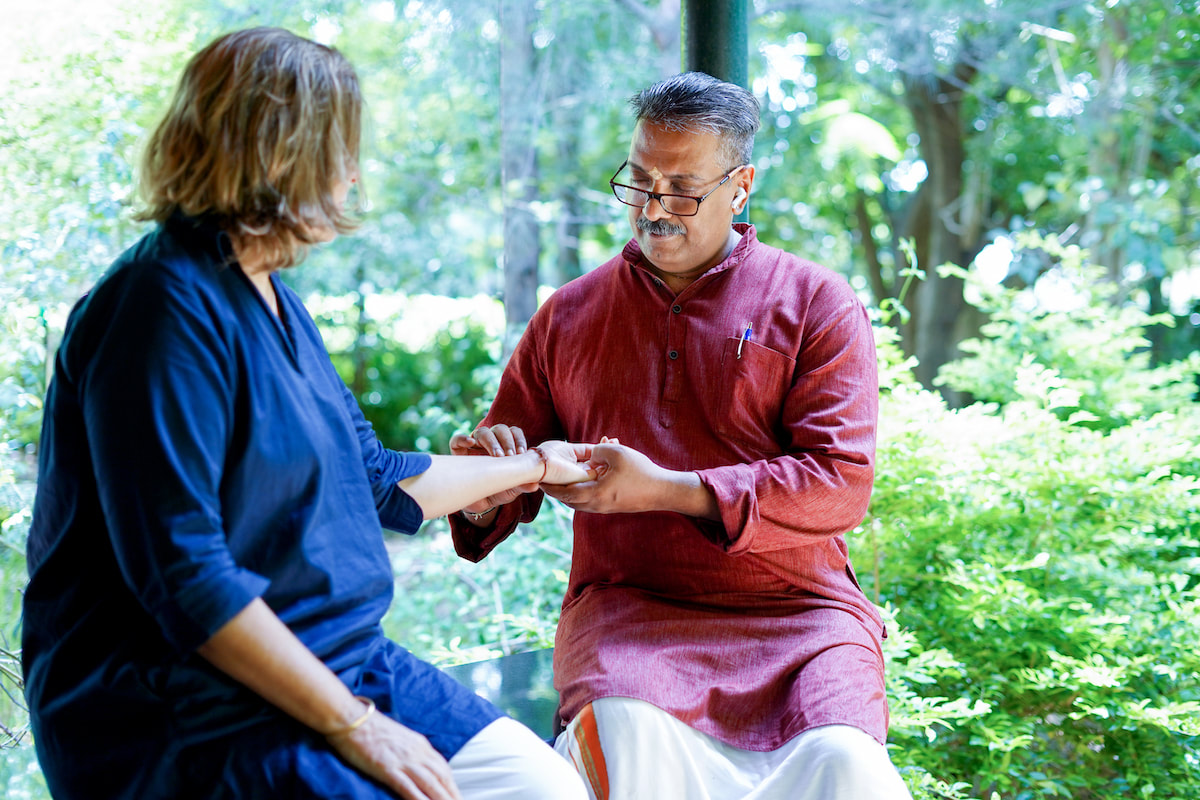
Joint pain can be caused by many types of injuries or conditions. No matter what causes it, joint pain can be very bothersome. Rheumatoid arthritis is an autoimmune disorder that causes stiffness and pain in the joints. Osteoarthritis involves growth of bone spurs and degeneration of cartilage at a joint. It is very common in adults older than 45 and can cause joint pain. Joint pain may also be caused by bursitis (inflammation of the bursae). The bursae are fluid-filled sacs that cushion and pad bony prominences, allowing muscles and tendons to move freely over the bone. Causes: Unusual exertion or overuse, including strains or sprains. Injury. Gout (especially found in the bigtoe). Osteoarthritis. Tendonitis. Bursitis. Infectious diseases, including Influenza, Measles, Rheumatic fever, Hepatitis, Mumps, Rubella (German measles), Varicella (chickenpox), Chondromalacia,Patellae, Osteomyelitis, Autoimmune diseases such as Rheumatoid Arthritis and lupus. Home Care Follow prescribed therapy in treating the underlying cause. For non arthritis joint pain, both rest and exercise are important. Warm baths, gentle massage, and stretching exercises should be used carefully. When to Contact a Medical Professional: You have fever that is not associated with flu symptoms. You have lost 15 kg or more without trying (unintended weight loss). Your joint pain lasts for more than 3 days. You have severe, unexplained joint pain, particularly if you have other unexplained symptoms. What to Expect When You Visit Your Ayurveda Physician? Your Ayurveda physician will perform a physical exam and ask you about your medical history. The following questions may help identify the cause of your joint pain: Which joint hurts? Is the pain on one side or both sides? How long have you been having this pain? Have you had it before? Did this pain begin suddenly and severely, or slowly and mildly? Is the pain constant or does it come and go? Has the pain become more severe? What started your pain? Have you injured your joint? Have you had an illness or fever? Does resting the joint reduce the pain or make it worse? Does moving the joint reduce the pain or make it worse? Are certain positions comfortable? Does keeping the joint elevated help? Do medications, massage, or applying heat reduce the pain? What other symptoms do you have? Is there any numbness? Can you bend and straighten the joint? Does the joint feel stiff? Are your joints stiff in the morning? If so, how long does the stiffness last? What makes the stiffness better? Treatment Options in Ayurveda: Generally most types of joint pain respond well to Ayurveda treatment. This is especially true of the chronic joint pain conditions like osteo arthritis and rheumatoid arthritis. The primary objectives of treatment in such conditions is to arrest or slow down the degenerative process as much as possible and to help the patient lead a relatively pain free normal life. This is achieved a combination of one or more of the following - Internal herbs in the form of kashayam, ghritham, gulika, lehyam, choornam, arishtam etc. External body treatments including sarvanga dhara, ekanga dhara, elakizhi, podikizhi, shirodhara, ekanga vasti, navarakizhi, dhanyamla dhara, other snehana and svedana treatments etc. Panchakarma or Shodhana treatments including vamana, virechana and vast diet & lifestyle changes. A combination of in patient Ayurveda treatment using a combination of herbs and oils, for periods ranging from 3-5 weeks or even more followed by observation of certain dietary and lifestyle and herbs regimen back home, and repeated treatments based on need contribute significantly to leading a normal / near normal life. Continuous follow up with your Ayurveda physician will help considerably. Do remember that the more chronic joint pains are not easy to cure; and more often than not, they cannot be cured completely. However you can be completely free of the symptoms like pain, swelling, redness etc. and lead a normal and medication-free life provided you are able to adhere to the advice given by your Ayurveda physician. Note on Rheumatoid arthritis: Rheumatoid Arthritis (RA) is a chronic multisystem disease of unknown cause. Although there are a variety of systemic manifestations, the characteristic feature of RA is persistent inflammatory synovitis, usually involving peripheral joints. The potential of the synovial inflammation to cause cartilage destruction and bone erosions and subsequently joint deformities is the hallmark of the disease. The prevalence of definite RA is approximately in 1 percent of the population; women are affected approximately three times more often than men. The prevalence increases with age and sex differences diminish in the older age group. RA is seen throughout the world and affects all races. The onset is most frequent during the fourth and fifth decade of life with 80 per cent of all patients developing the disease between the age of 35 and 50. Characteristically RA is a chronic polyarthritis. In approximately two-thirds of the patients, it begins with fatigue, anorexia, generalised weakness, and vague musculoskeletal symptoms until the appearance of synovitis becomes apparent. This prodrome may persist for weeks or months and defy diagnosis. Signs and Symptoms - Pain, Swelling and Tenderness may initially be poorly localised to the joints. Pain in affected joints, aggravated by movement, is the most common manifestation of established RA. Morning stiffness of greater than 1-hour duration is an almost invariable feature of inflammatory arthritis. The majority of patients will experience constitutional symptoms like weakness, easy fatigability, anorexia and weight loss. The American Rheumatism Association has developed criteria for the diagnosis of RA. The presence of seven of these criteria establishes the diagnosis of classic RA, whereas five criteria indicate definite RA, and three, probable RA. The criteria are :Morning stiffness,Pain on motion or tenderness in at least one joint, swelling in at least one joint, symmetric joint swelling, subcutaneous nodules, Radiologic changes, Rheumatoid factor in serum, poor mucin precipitate from synovial fluid, characteristic histologic changes in synovium, characteristic histologic changes in nodules. (Criteria 1-5 must be continous for at least 6 weeks. Criteria 2-6 must be observed by a physician). Clinical course and prognosis - The course of RA is quite variable and difficult to predict in an individual patient. Five years after the onset of RA, evidence of disease activity may be found in as few as one-third of all patients. Remissions of disease activity are most likely to occur during the first year. Although sustained disease activity of more than 1 year's duration portends a poor outcome, the rate of progression of joint abnormalities is not constant; the greatest progression takes place during the first 6 years of disease and at a much slower rate thereafter. The median life expectancy of persons with RA is shortened by 3 to 7 years. Of the 2.5 fold increase in mortality rate, RA itself is a contributing feature in 15-25 percent. Drug therapy may also play a role in the increased mortality rate seen in these individuals. Note on osteo arthritis: Osteoarthritis is the most common form of arthritis. It is caused by the breakdown of cartilage. Cartilage is the tough elastic material that covers and protects the ends of bones. Bits of cartilage may break off and cause pain and swelling in the joint between bones. This pain and swelling is called inflammation. Over time the cartilage may wear away entirely, and the bones will rub together. Osteoarthritis can affect any joint but usually affects hips, knees, hands and spine. Osteoarthritis is classified as non-inflammatory arthritis. This suggests that there is no inflammation (swelling), but recent research shows that this is not true. Although there is usually no swelling in the early stage of the disease, as the arthritis progresses there can be inflammation. Bits of cartilage may break off and float around inside the joint. This disturbs other soft tissues inside the joint and can cause pain and swelling between bones. The result is you may have trouble moving the joint. Over time as the cartilage wears down, the bones may form bumps on their ends. These bumps are called spurs. Or, the cartilage may wear away entirely, and your bones may rub together. OA may lead to other problems such as: The muscles that hold the joint in place weaken because they are not being used. Over time, the joint looses its shape and does not work at all. There are many kinds of arthritis. The most common kind is called osteoarthritis (or OA for short). It affects men and women in equal numbers. Most people develop osteoarthritis after the age of 45, but it can occur at any age. What are the warning signs of Osteoarthritis? Pain, stiffness and swelling around a joint that lasts longer than two weeks. The joints that are usually affected are the hips, knees, feet and spine. Finger and thumb joints might also be affected. If you are experiencing persistent joint pain, visit your Ayurveda physician Damage due to OA progresses slowly over time and may result in several problems. You may have pain, especially when moving a joint. Sometimes, you may hear a grating sound when the roughened cartilage on the surface of the bones rubs together. Bumps or swelling may appear, especially on the fingers and feet. A joint may feel sore and stiff, and the joint won't move as easily or as far as it once did. All these changes can make it hard to move around and to do everyday tasks, such as opening a jar or walking up stairs. What causes Osteoarthritis? The exact cause is unknown. The chances of getting Osteoarthritis seem to increase with age. Some people with osteoarthritis have other family members with it. Being overweight can increase your risk of getting osteoarthritis. Excess weight puts stress on joints such as hips and knees. Injury to a joint or repeated overuse of it can also damage the cartilage and lead to osteoarthritis. Other types of arthritis can also damage joints and lead to osteoarthritis. Key risk factors: Heredity The way your bones fit together may have been passed on to you from your parents. Sometimes joints don't fit right or the cushion between your bones is not normal. You may not have problems until you are older. Excess Weight Excess weight puts extra stress on the weight-bearing joints, especially the knees and hips. The good news is losing weight, even just 10 pounds (4.5 kilograms), can help prevent osteoarthritis in your knees. Even if you have osteoarthritis in your knees, losing weight can make you feel better. Less body weight means less stress on your knees. Joint Injury If you damaged a joint and it did not heal completely, you may end up with osteoarthritis in that joint later in life. Certain occupations may predispose you to osteoarthritis. For example, people that must work in a squat position over many years may be more susceptible to osteoarthritis of the knees. Complications of Another Type of Arthritis Sometimes osteoarthritis is caused by damage from a different kind of joint disease that occurred years before. For example, people with rheumatoid arthritis can develop osteoarthritis in those joints in which the rheumatoid inflammation has largely burnt out. What can you do about osteoarthritis? If your doctor thinks you have osteoarthritis, he or she may perform a physical examination and order tests such as x-rays. Although there is no cure for osteoarthritis, there are a number of steps you can take to manage your pain and lead an active life. Learn as much as you can about this disease. Speaking with people who are specialists in arthritis care can provide you with the information you need. Establishing the correct diagnosis is very important, because something can be done to manage most forms of arthritis, and most therapies work best when started early in the disease. Your Ayurveda physician may be able to diagnose OA based on your medical history and a physical examination. Sometimes, your doctor may order certain tests to help confirm the diagnosis, to determine how much joint damage exists, or to distinguish among different types of arthritis. These tests may include x-rays, blood tests or joint fluid tests. Although there is no cure for OA, a lot can be done to help manage the condition. A variety of treatments can help to lessen pain and stiffness and to make movement easier. Your active involvement in developing your prescribed treatment plan is essential. Your Ayurveda physician can certainly contribute significantly in helping to manage your condition. A combination of Ayurveda medicines, diet, exercise and small lifestyle changes can help you considerably.

room-image

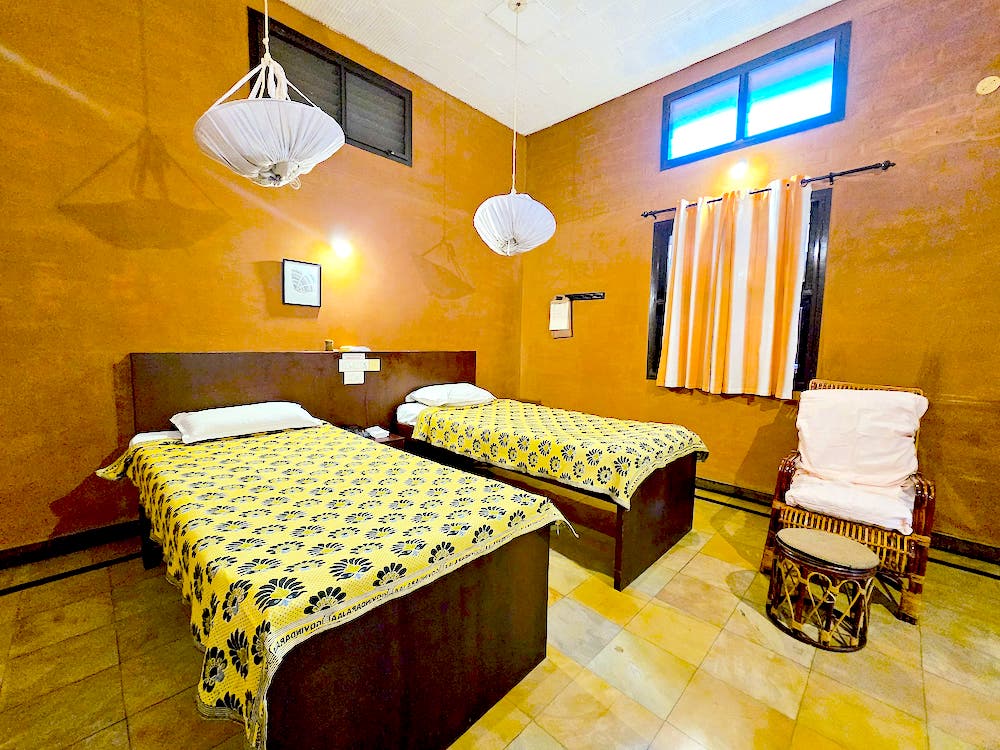
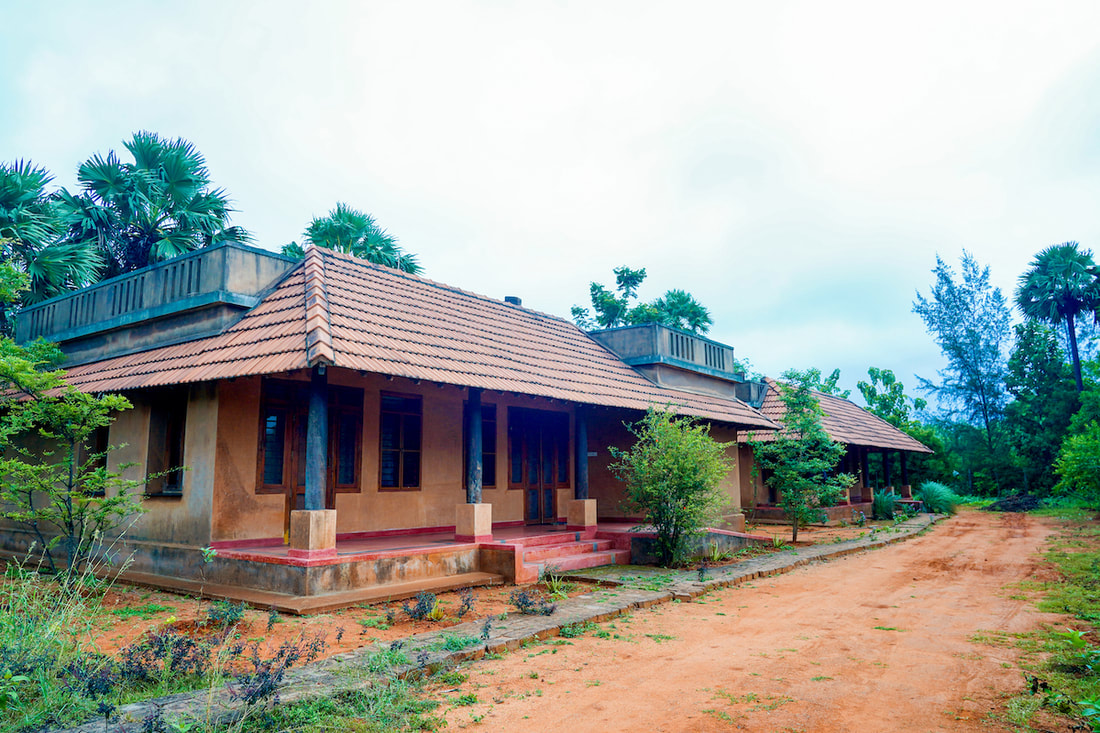
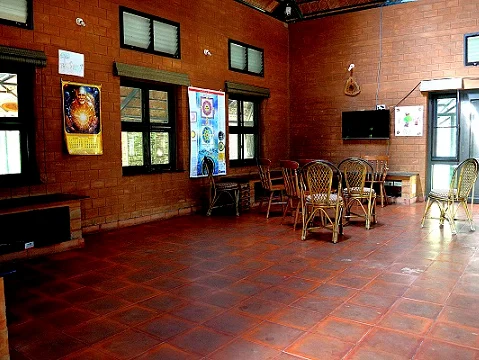
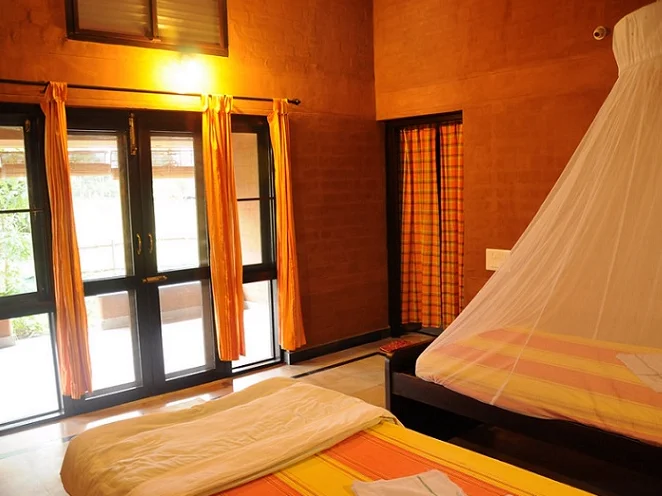
Standard room non AC

audience-icon 2 person max

Room Facilities

tv TV wifi Wi-Fi locker Locker doublebed Double Bed singlebed Single Bed telephone Telephone butlerserv Butler Service

wifi Wi-Fi utilities Utilities Shop jogging Jogging / Walking Path airporttransfers Airport Transfers

Breakfast Lunch Dinner

aboutcenter-image

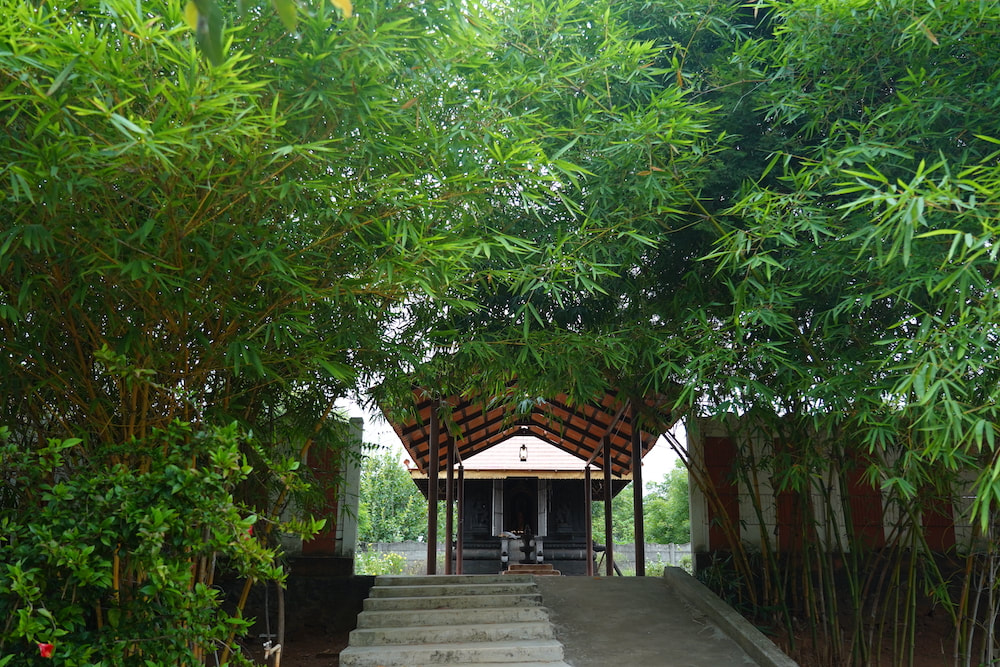
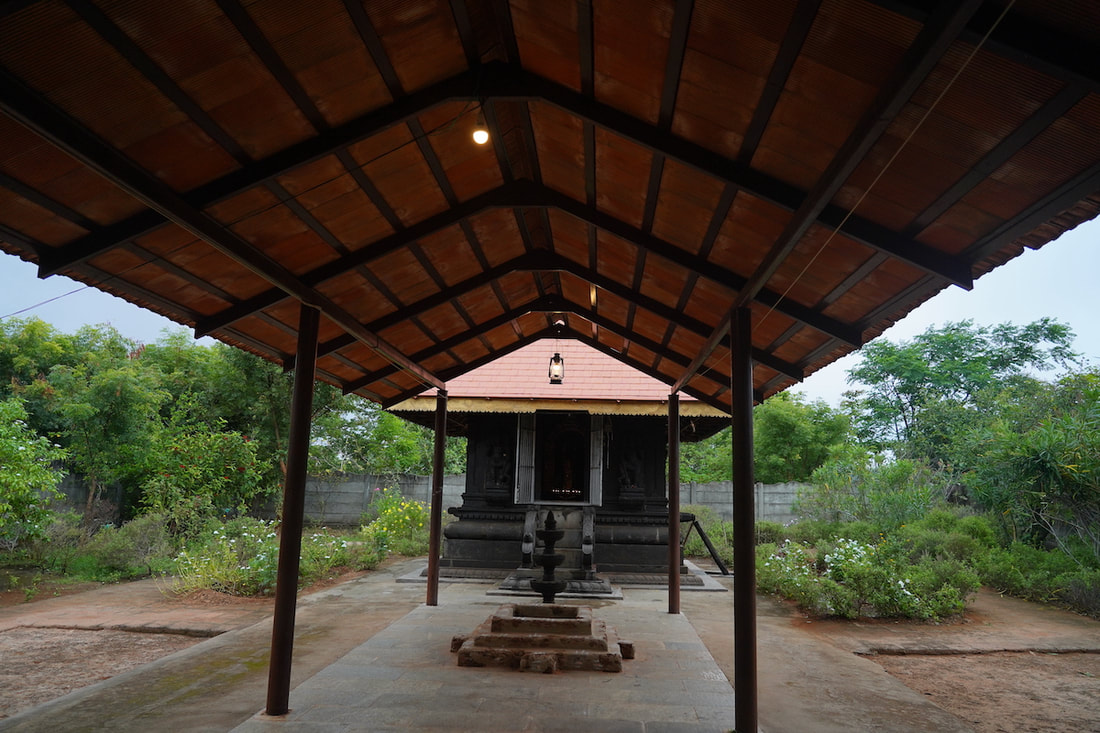
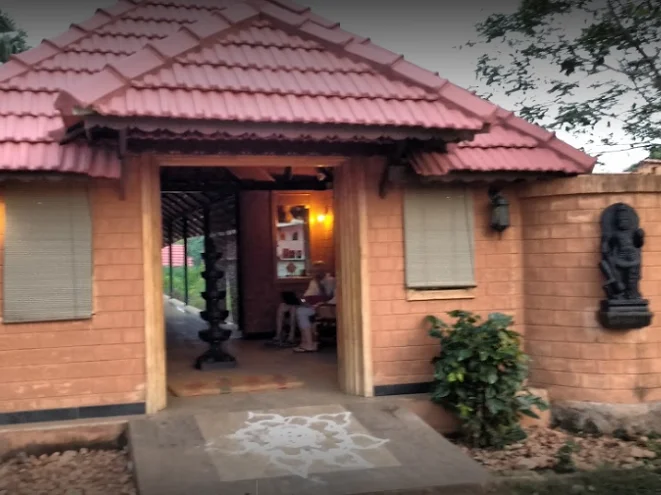
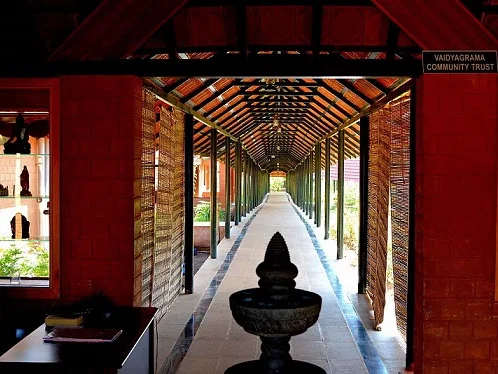
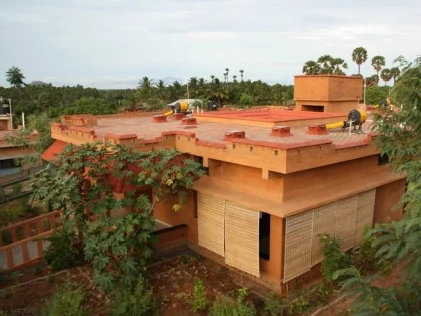
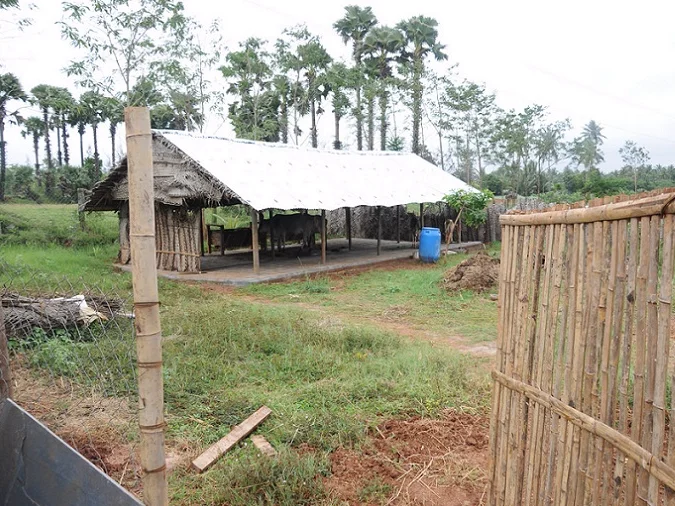
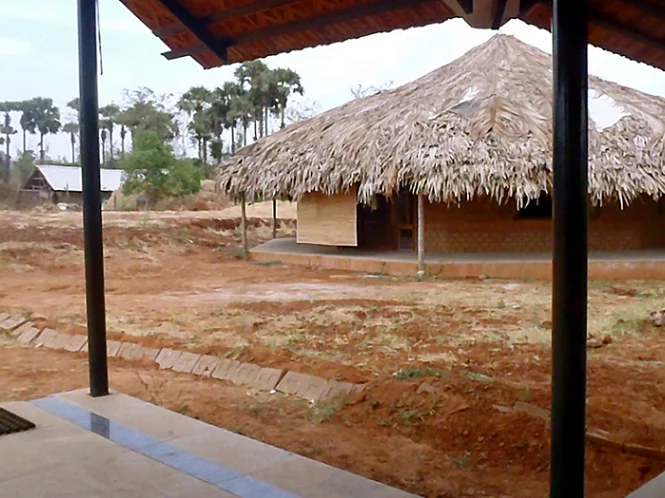
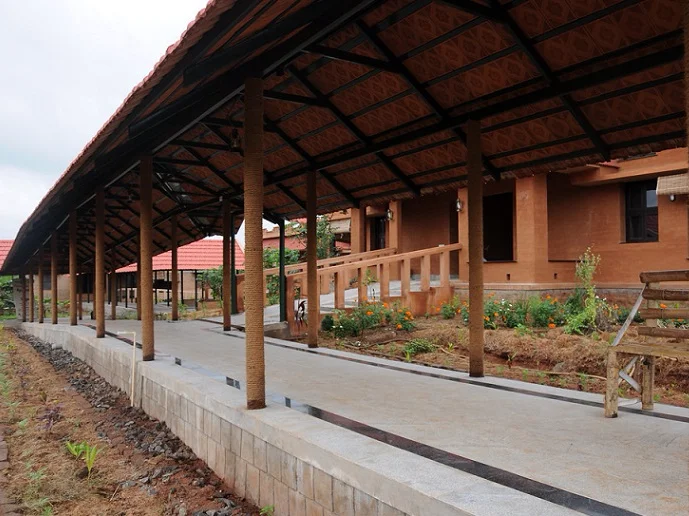
Ayurveda Healing Village

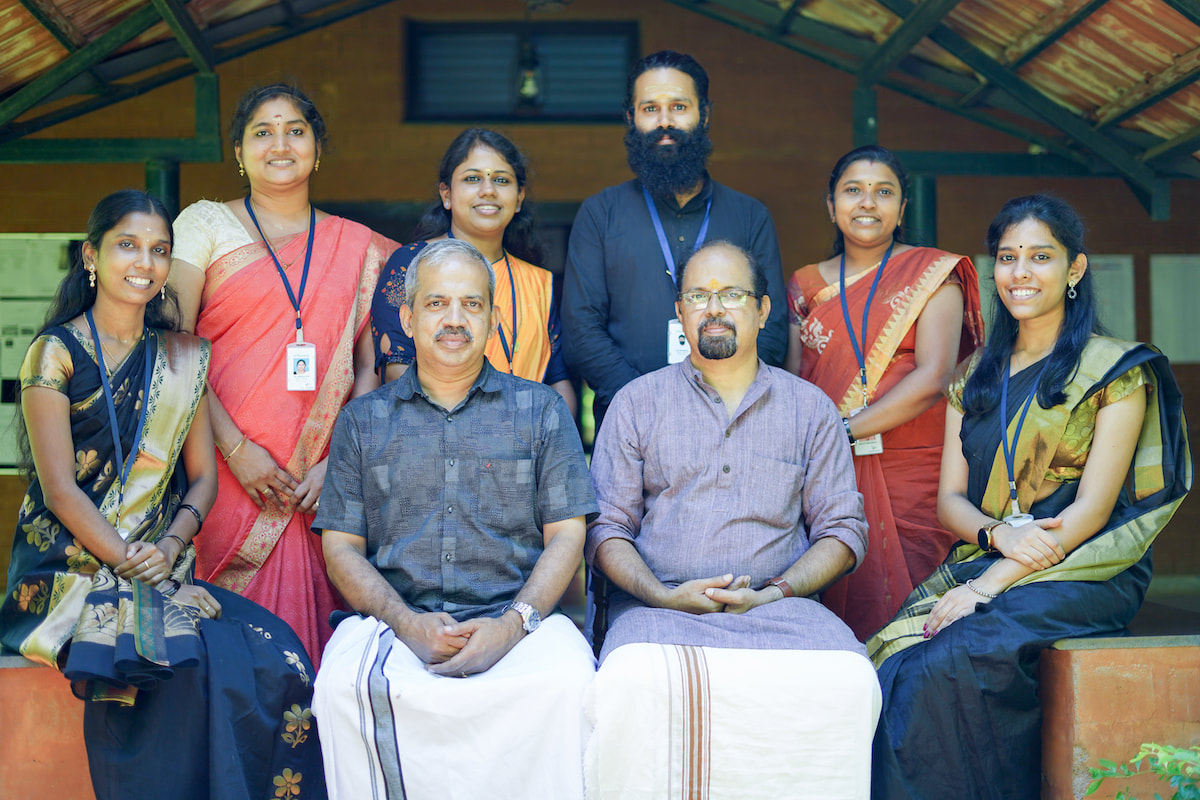
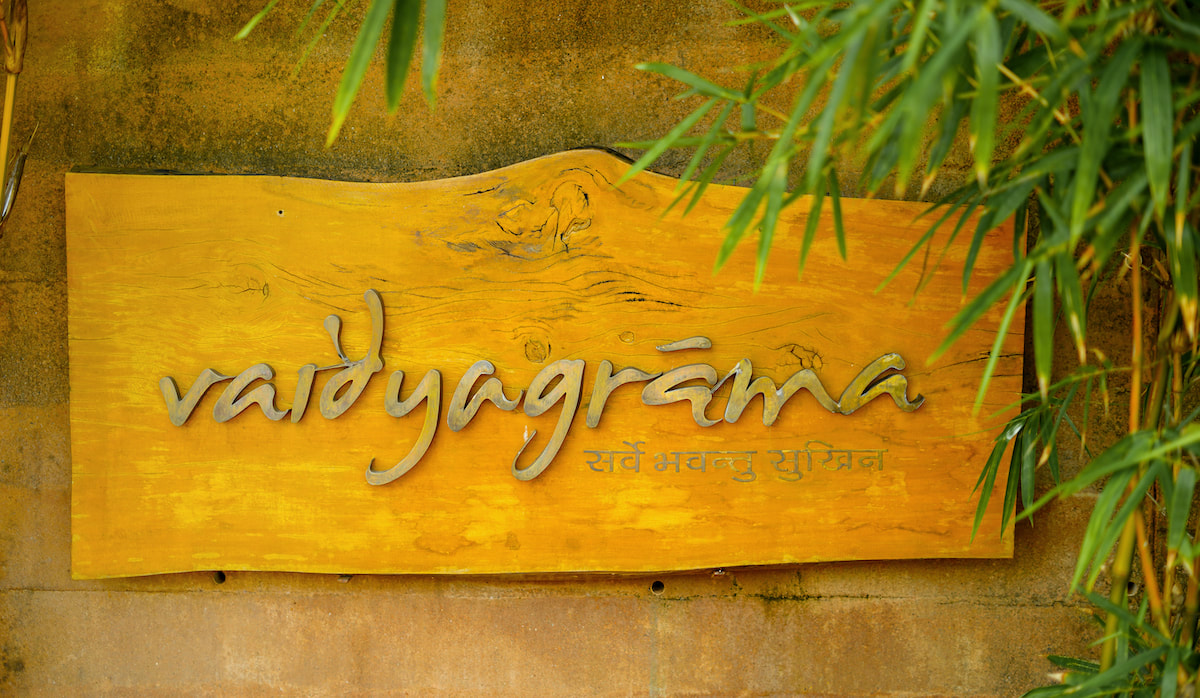
Vaidyagrama means healing village. We are an assemblage of Ayurveda Vaidyas sharing a common vision of:

A community of authentic Ayurveda hospitals that provides authentic treatment; 
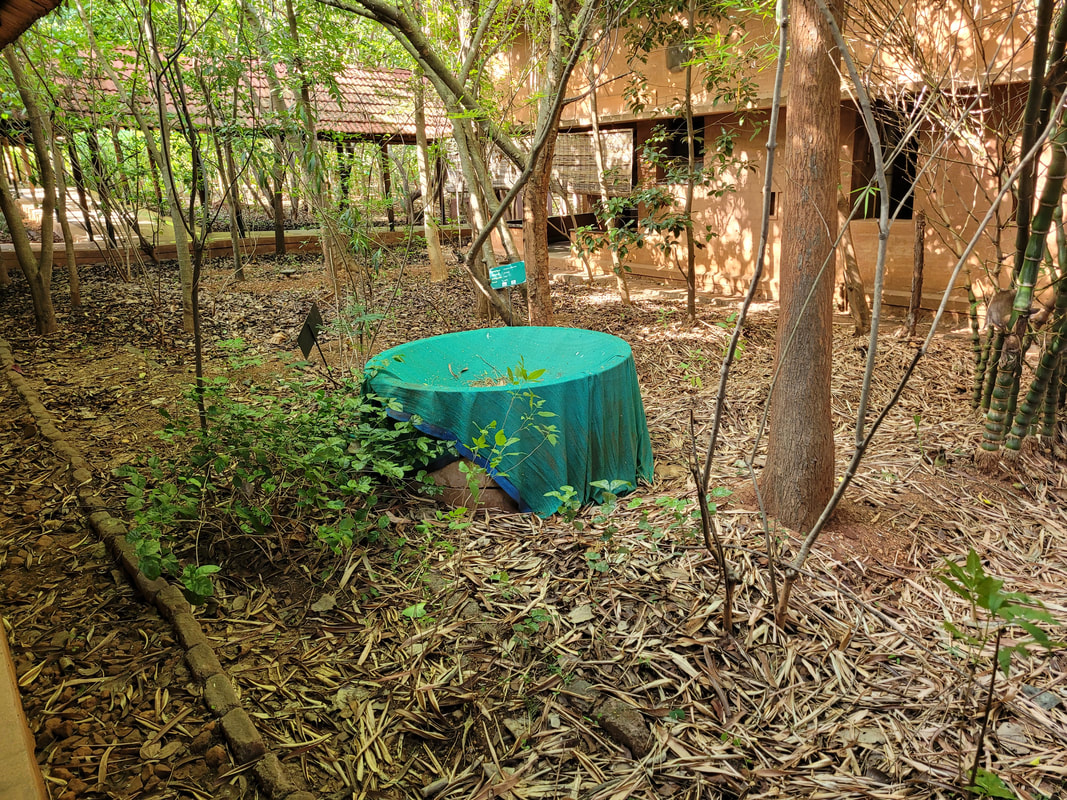
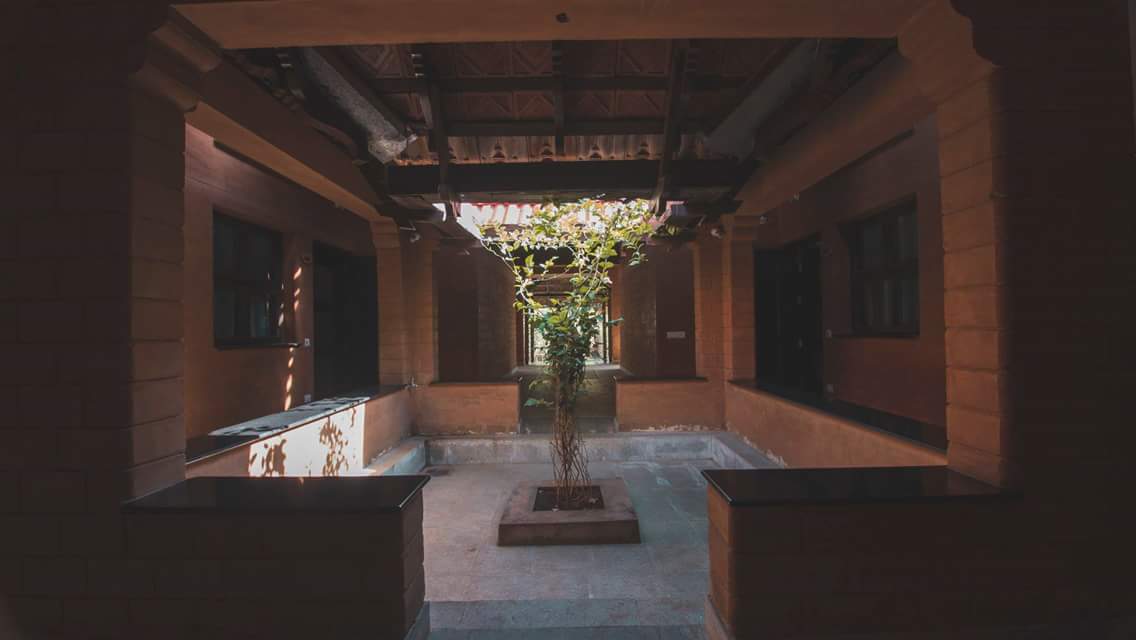
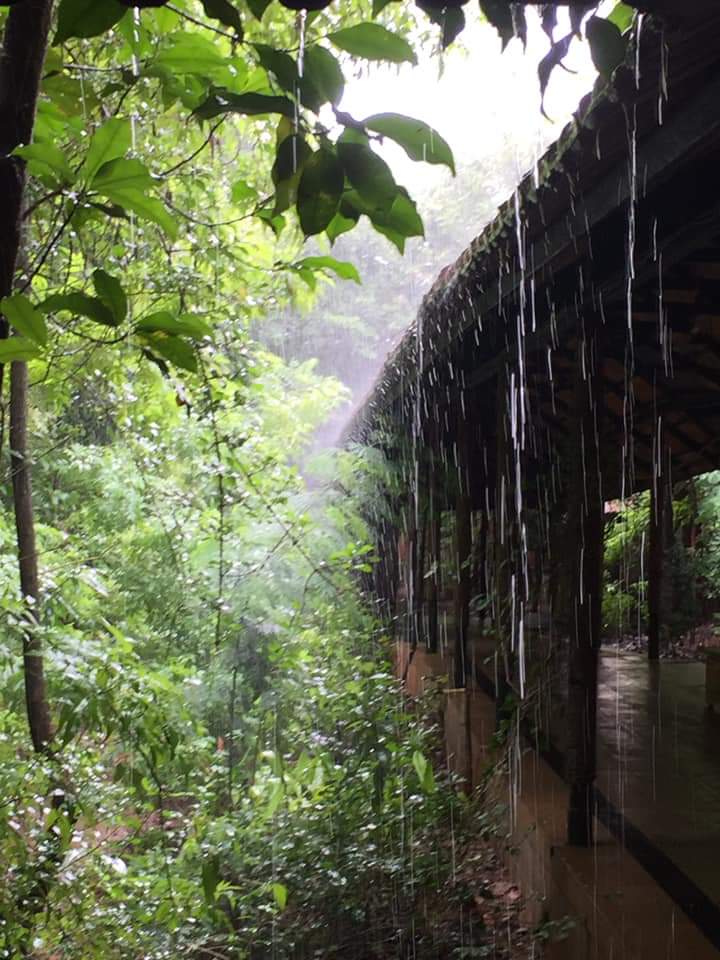
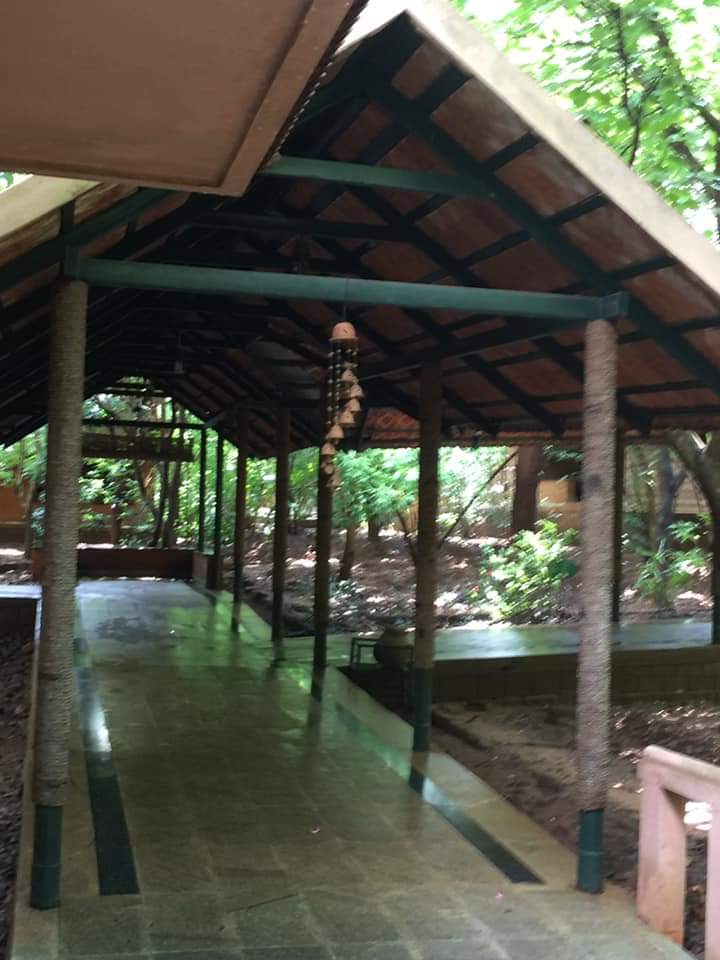
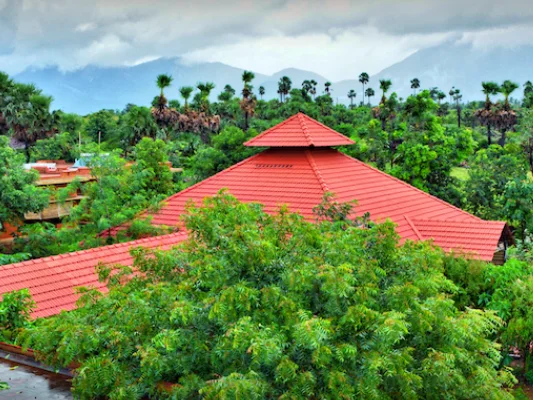
An optimum healing environment in a natural setting that that is green, environment-friendly, with maximum energy conservation and management, follows the principles of Ayurveda and vastu shastra, and is essentially disability friendly; 
A hospital, lear…

Joint Pain Package-AboutCenter

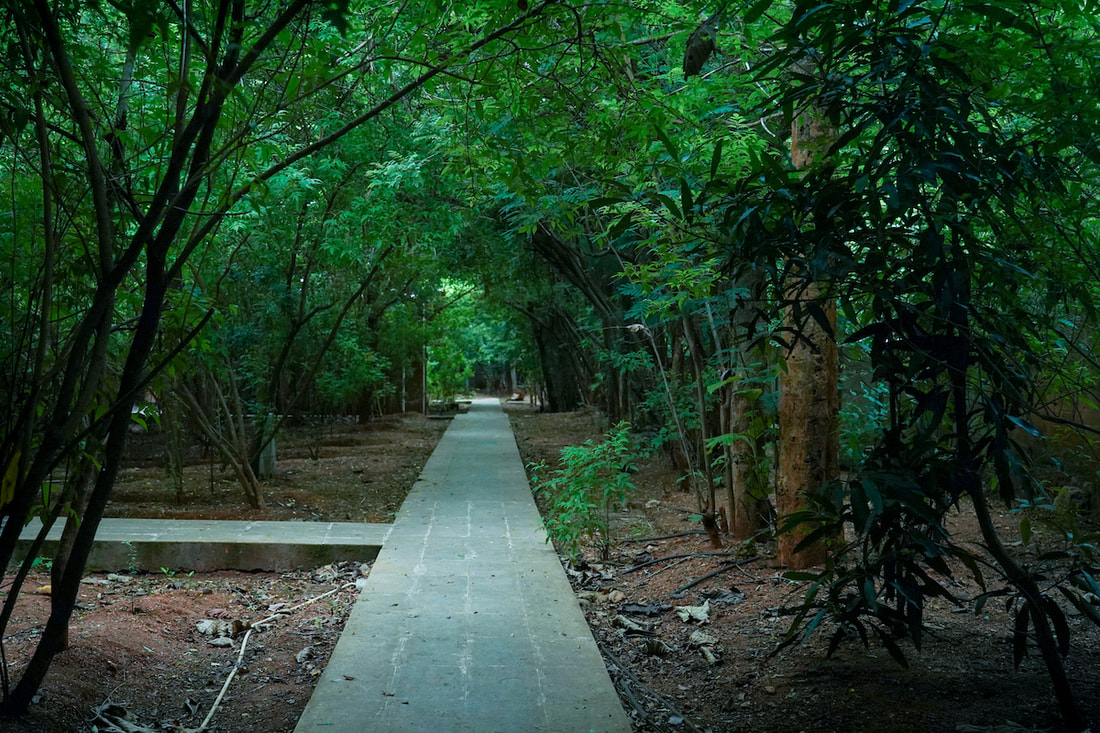
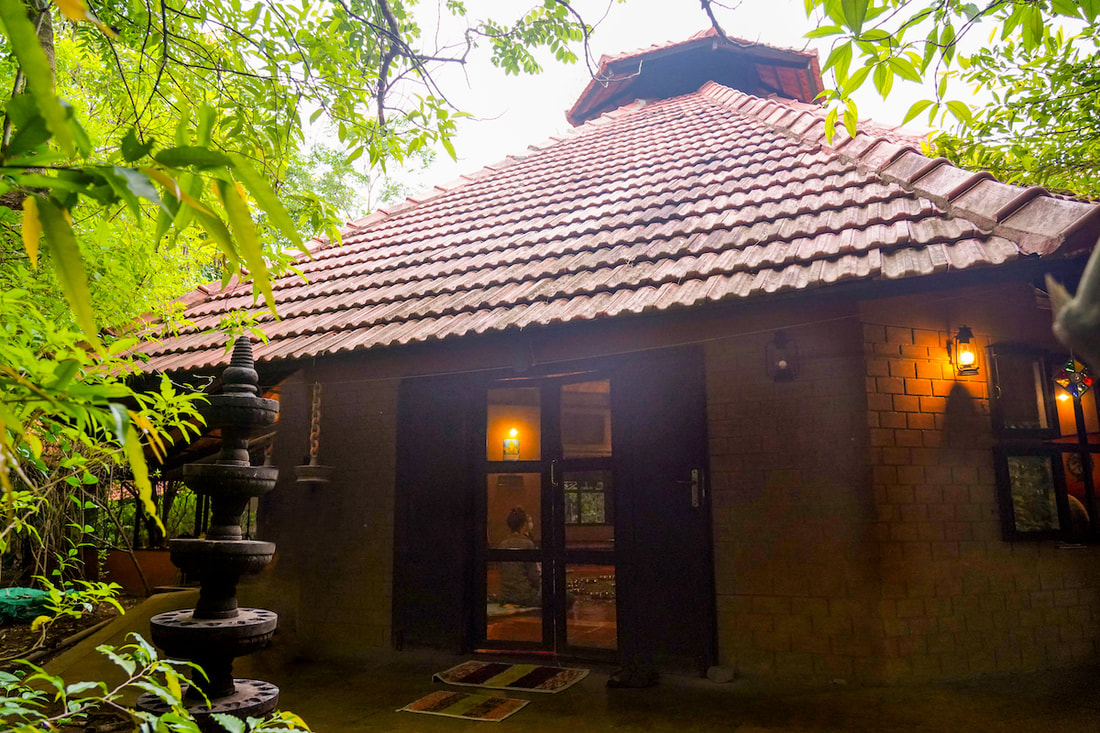
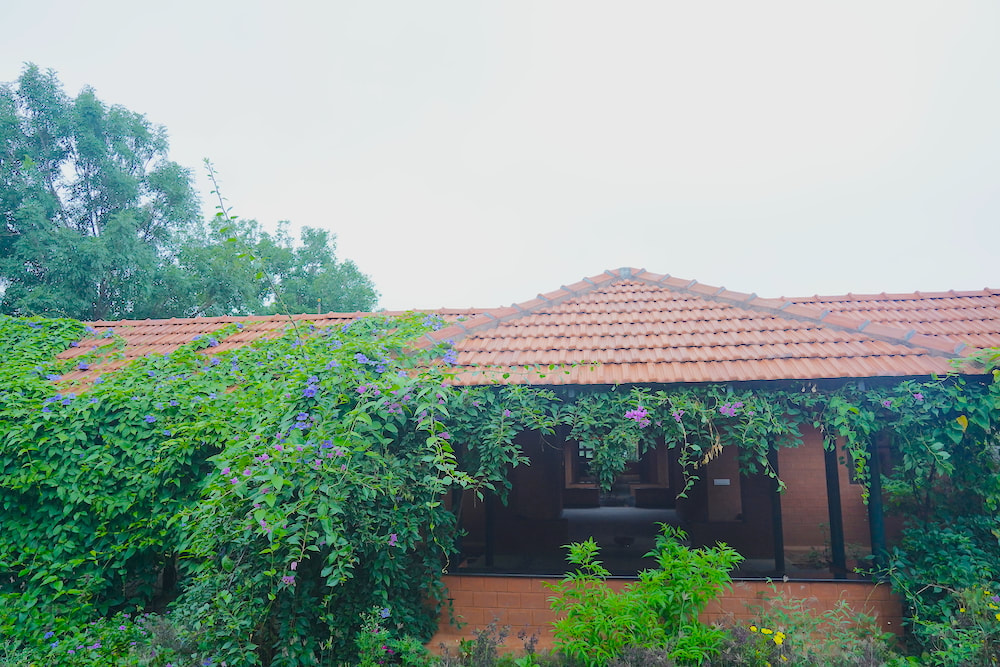
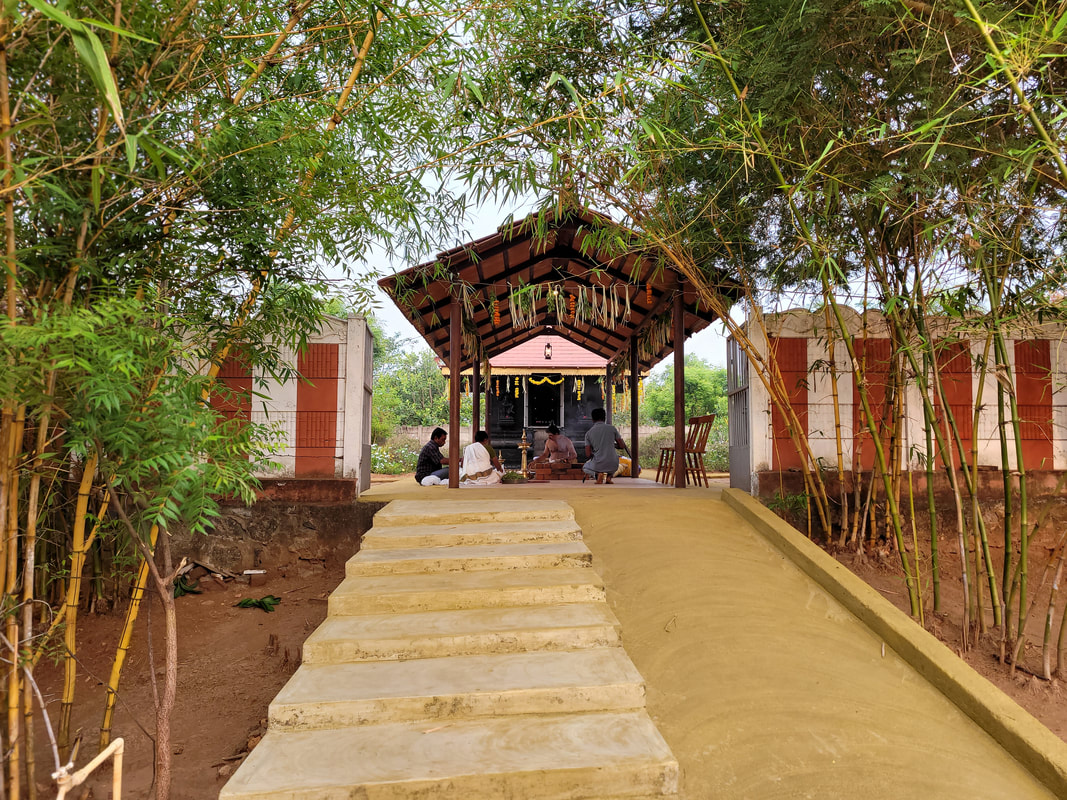
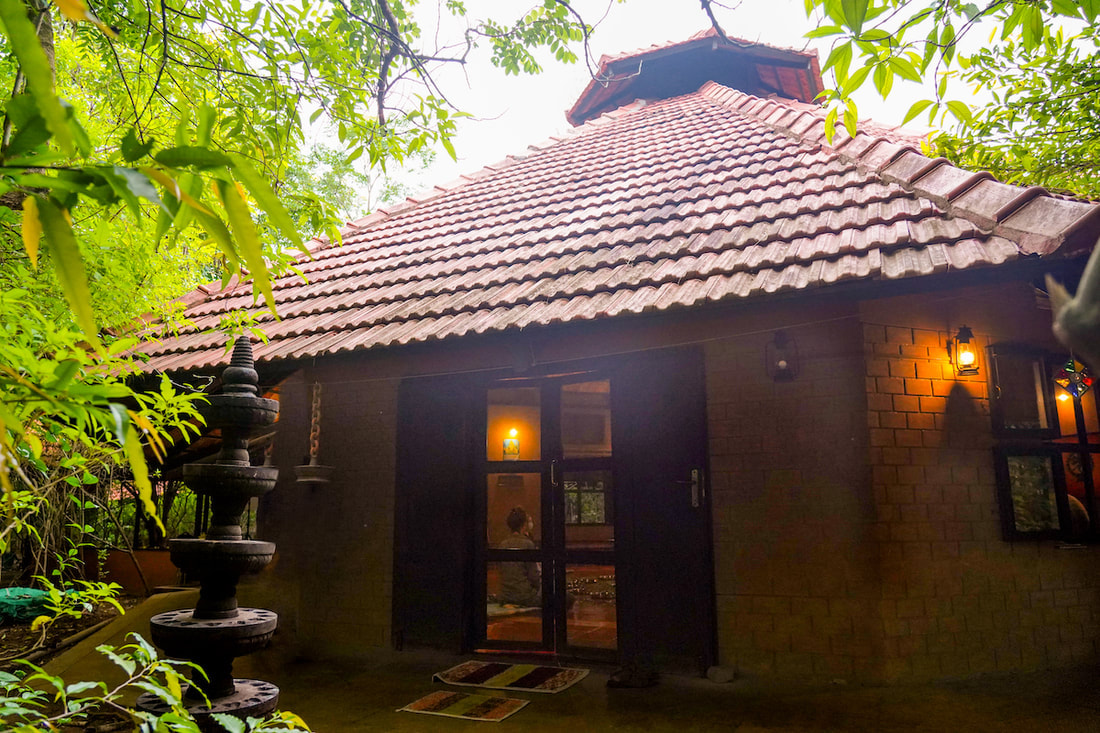
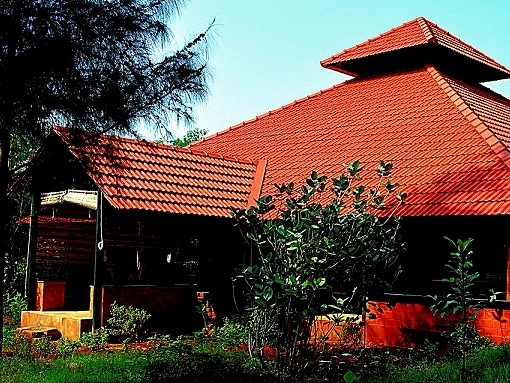
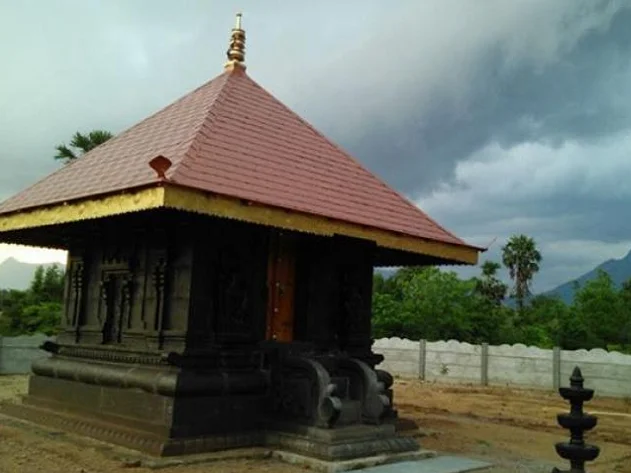
Vaidyagrama is a healing village that practices ancient Ayurveda and Vastu Shastra systems.

How to reach

Airways Connectivity

Coimbatore International Airport

Railway Connectivity

Coimbatore Railway Station

Roadway Connectivity

On Coimbatore-Palghat road leading to Kerala, w

The payment policy is as follows: a) You can confirm your treatment at Vaidyagrama by paying $1000 as advance. This amount may be paid either through PayPal -punarnava@punarnava.org (actual fees extra) or through direct bank transfer (actual fees extra) - only on receipt of your payment, is the treatment confirmed b) On arrival in Vaidyagrama you can pay the balance amount for the entire duration upfront - within the first week of arrival c) This amount may be paid either in currency (INR, USD, Euro, AUD or GBP along with passport copy) or through credit card (VISA or Master) or through travelers' cheques. Cheques from outside India are not accepted c) An international patient should preferably pay in USD; to avoid any misunderstandings over foreign exchange conversion rates. d) If you choose to do a bank transfer, please initiate the process before you come to Vaidyagrama to ensure that the full amount towards your stay here is received in the Vaidyagrama bank account before your treatment commences. Please note that there are sometimes excessive delays in bank transfers for which we cannot be held responsible. You will need to receive confirmation from us that we have received the amount in our bank account before the treatment program commences. e) Any fees incurred with regard to any non-currency payment will be extra at actuals. f) At the time of discharge, the final bill and settlement will be done. Any amount towards take-home medicines and other miscellaneous expenses can be settled then. g) Any amount towards incidentals should be settled on a weekly basis.

All refunds will be made only in Indian rupees as per Indian laws.
The refund policy is as follows -

Before arrival:
a) If you cancel your booking more than 90 days in advance, 20% of the booking fee plus applicable bank transfer charges will be forfeited.
b) If you cancel your booking between 30-89 days in advance, 50% of the booking fee plus applicable bank transfer charges will be forfeited.
c) If you cancel your booking less than 30 days in advance, 100% of the booking fee will be forfeited. However in any of the above situations, we may consider requests to hold this advance amount against treatment program from another date onward; or to use this advance amount towards the treatment of a relative/friend.

After arrival:
a) If you shorten your stay against the advice of the Vaidyagrama medical team, then no refund will be made.
b) If your stay is shortened based on the advice of the Vaidyagrama medical team, then the appropriate refund will be made.

share package details

WhatsApp Facebook Link Email Twitter

Please chat with us or mail us at cs@ayuruniverse.com to know more about this wellness center

Similar Packages

Ayuruniverse Verified

eye2 Interested

Shoulder Pain

location Kayamkulam, Kerala, India

wifi Wi-Fi sauna Sauna/ Steam jogging Jogging / Walking Path airporttransfers Airport Transfers

Prices From $1,906

Ayuruniverse Verified

eye2 Interested

Healthy Spine

location Cochin, Kerala, India

wifi Wi-Fi swimmingpool Swimming Pool jogging Jogging / Walking Path

Ayuruniverse Verified

eye2 Interested

Spine & Neck Care Program

location Varkala, Kerala, India

wifi Wi-Fi swimmingpool Swimming Pool sauna Sauna/ Steam airporttransfers Airport Transfers

Prices From $1,944

Ayuruniverse Verified

eye2 Interested

You and Your Spine

location Trivandrum, Kerala, India

wifi Wi-Fi swimmingpool Swimming Pool fitness Fitness Center sauna Sauna/ Steam jogging Jogging / Walking Path airporttransfers Airport Transfers

Prices From $1,711

Ayuruniverse Verified

eye2 Interested

Joint Pain Program

location Alappuzha, Kerala, India

wifi Wi-Fi swimmingpool Swimming Pool jogging Jogging / Walking Path airporttransfers Airport Transfers

Ayuruniverse Verified

eye2 Interested

Chronic Back Pain Treatment

location Palakkad, Kerala, India

wifi Wi-Fi swimmingpool Swimming Pool sauna Sauna/ Steam jogging Jogging / Walking Path airporttransfers Airport Transfers

Prices From $3,308

Ayuruniverse Verified

eye2 Interested

Spine Care and Neck Care

location Kovalam, Kerala, India

wifi Wi-Fi swimmingpool Swimming Pool utilities Utilities Shop amphitheatre Amphitheatre jogging Jogging / Walking Path airporttransfers Airport Transfers